Você está no 3DFinder
Buscamos em Thingiverse, MakerWorld e Printables ao mesmo tempo para te dar o melhor de cada uma.
Descrição
Summary
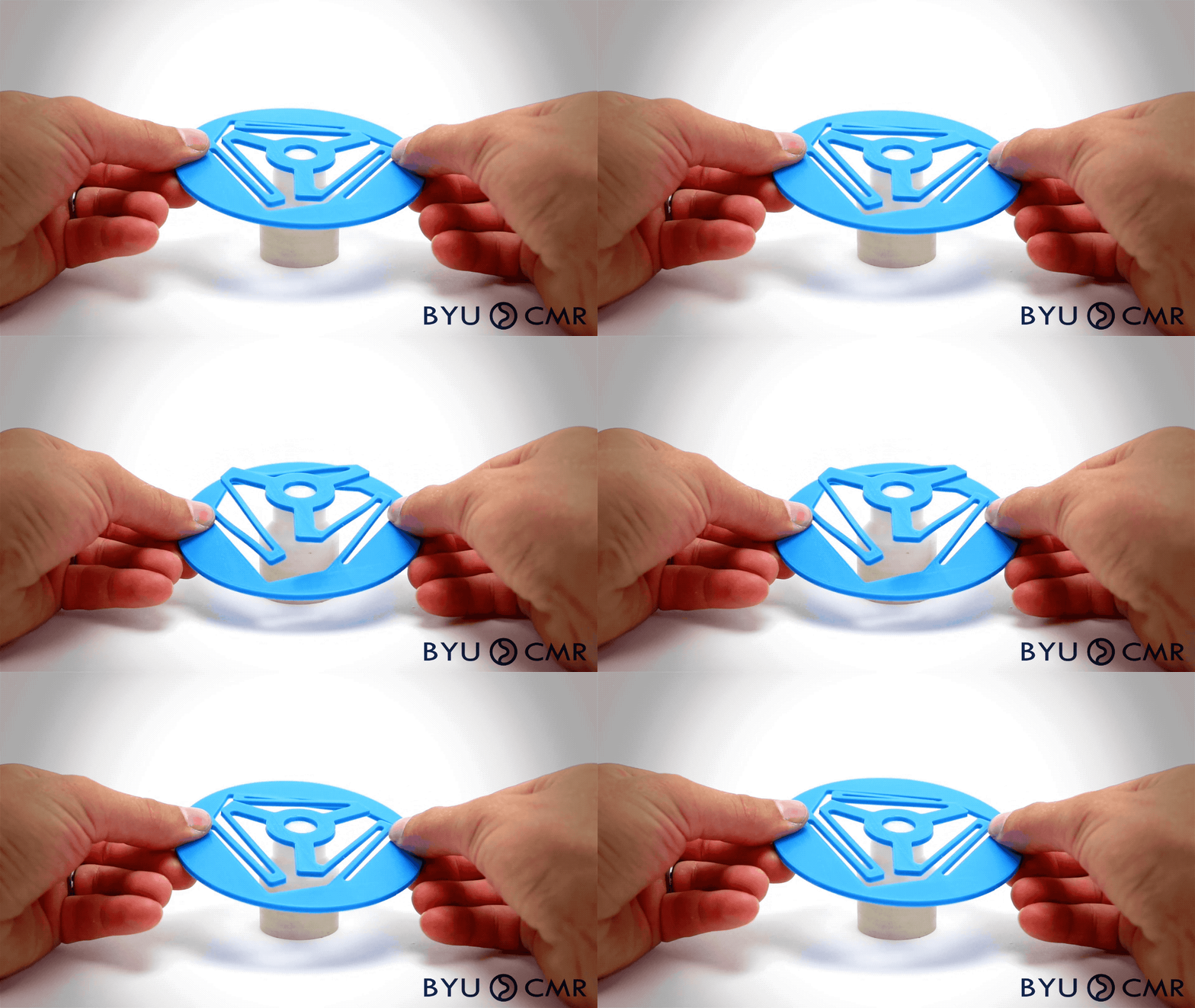
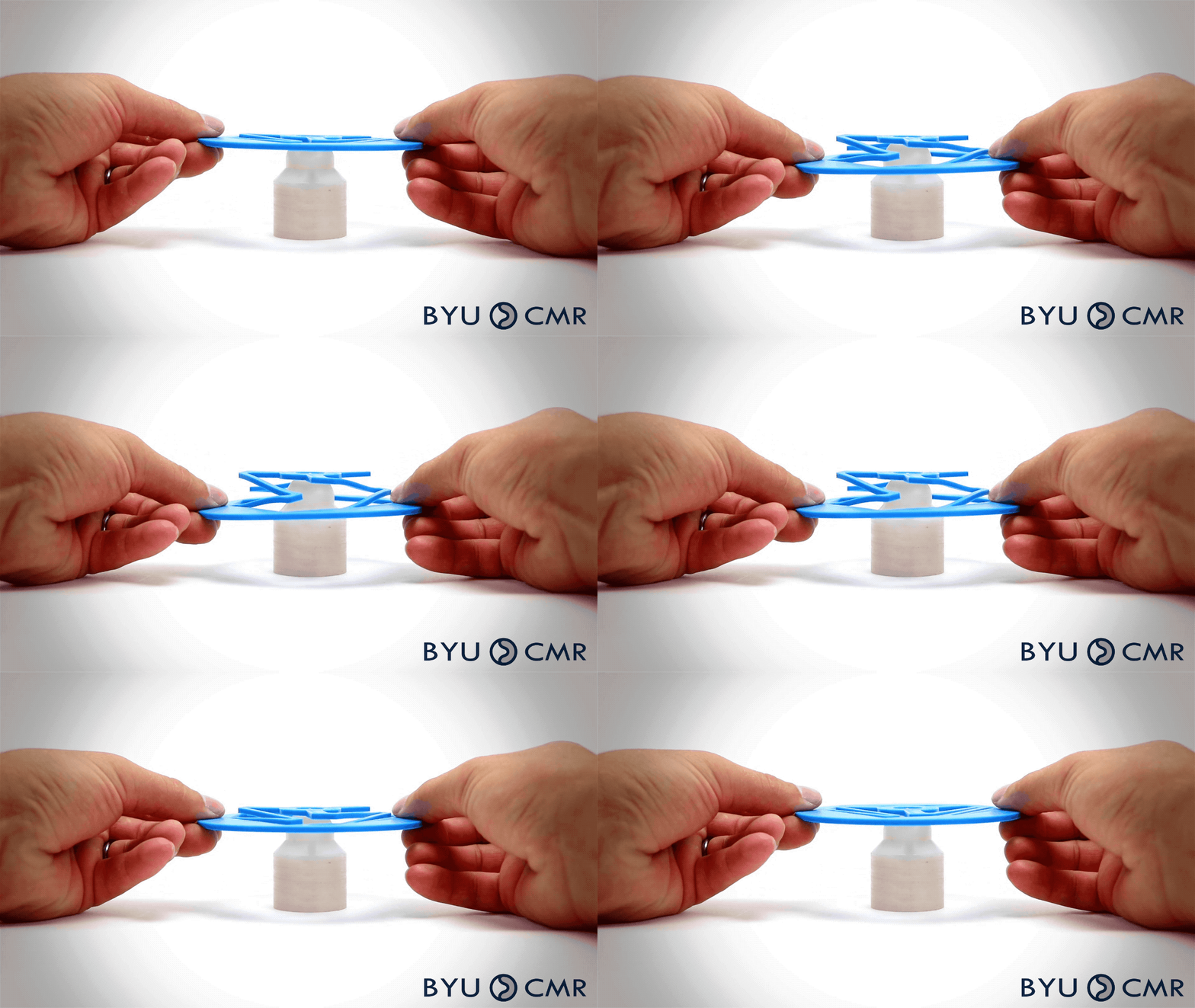
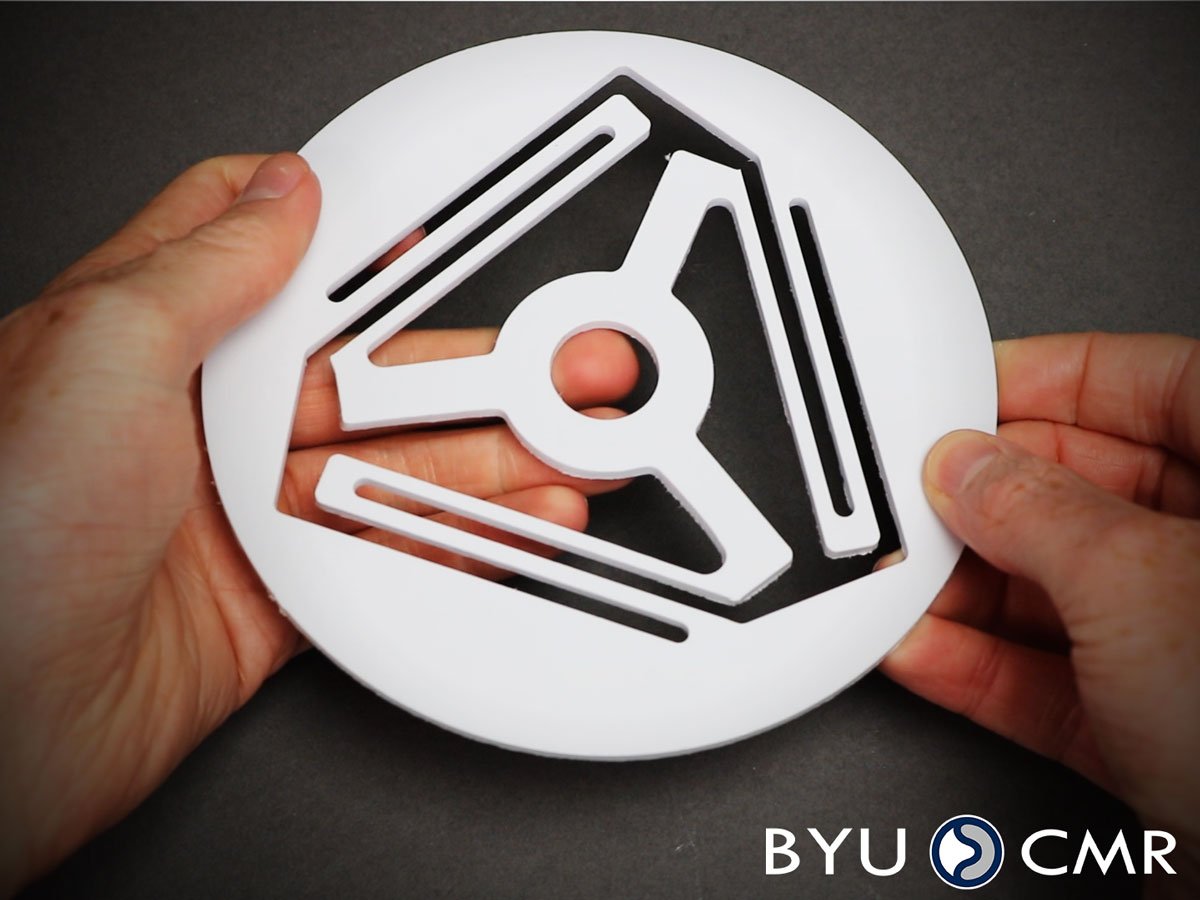
The Ortho-Planar Spring is a compact spring with a platform that undergoes a large displacement in either direction, but does not rotate like conventional planar springs. This invention has numerous advantages.
Compact: this planar spring is much more compact than traditional helical springs.
No rotation: unlike conventional-planar springs, the center of this spring does not rotate relative to the base perimeter of the spring.
Large deflections: this spring has the potential for larger deflections than conventional planar springs.
Low cost: the planar nature of this spring allows for low-cost sheet manufacturing processes.
Reduced wear and noise: because the platform does not rotate or slide to rub adjoining parts, there is no wear from abrasion, thereby reducing wear and noise.
No particulates: due to the elimination of rubbing and sliding, no wear particles are formed. This is important in applications with sensitive environments.
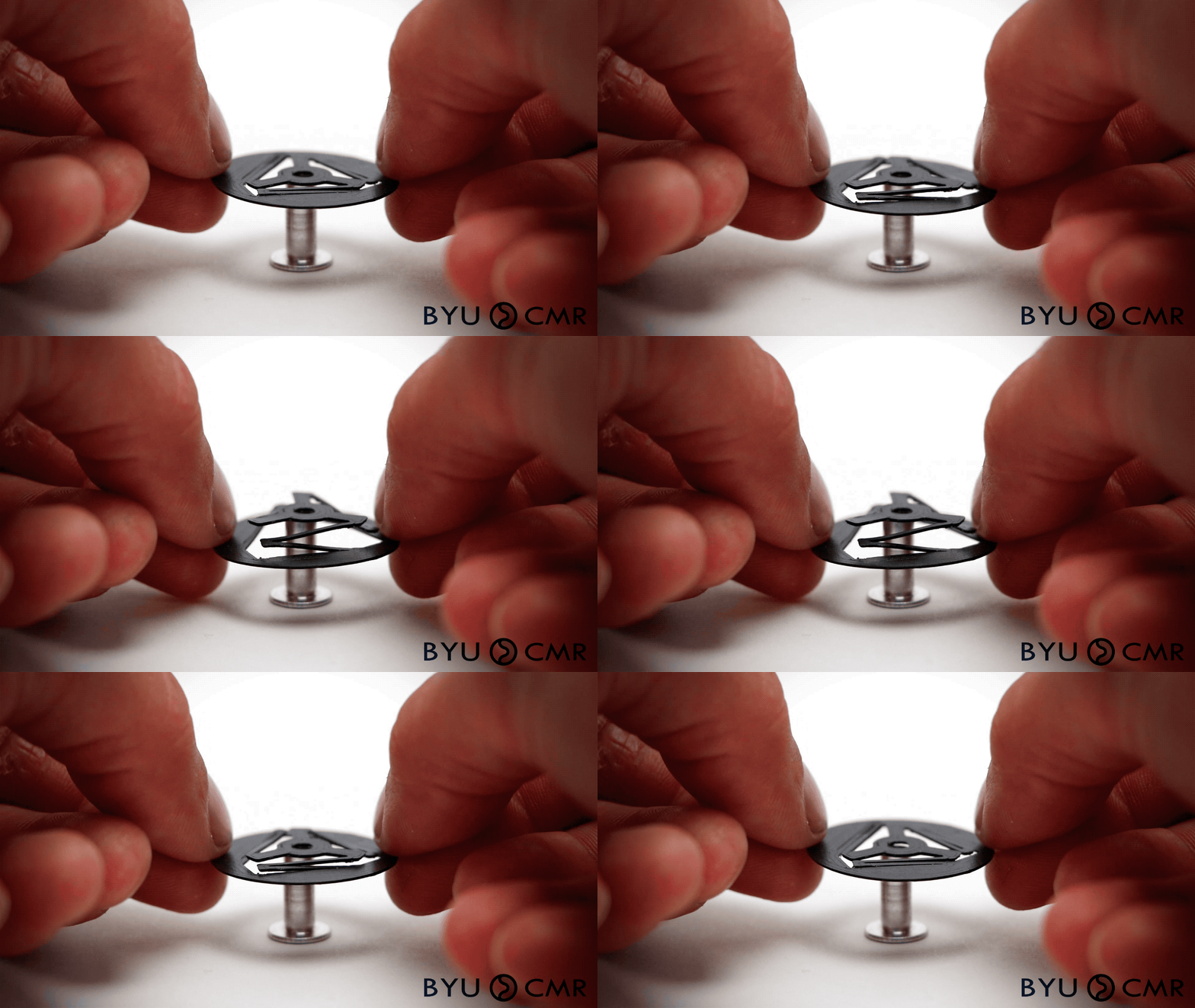
Variable sizing: this spring can be made in any size from the macro level to the micro or nano levels.
Possible applications include pneumatic valves, electrical contacts, keyboards, compact aerospace applications, positioning, camping gear, speakers, circuit boards, and micro-devices.
[https://youtu.be/8-0Hgvv6fAk](https://youtu.be/8-0Hgvv6fAk).
Design
Scale
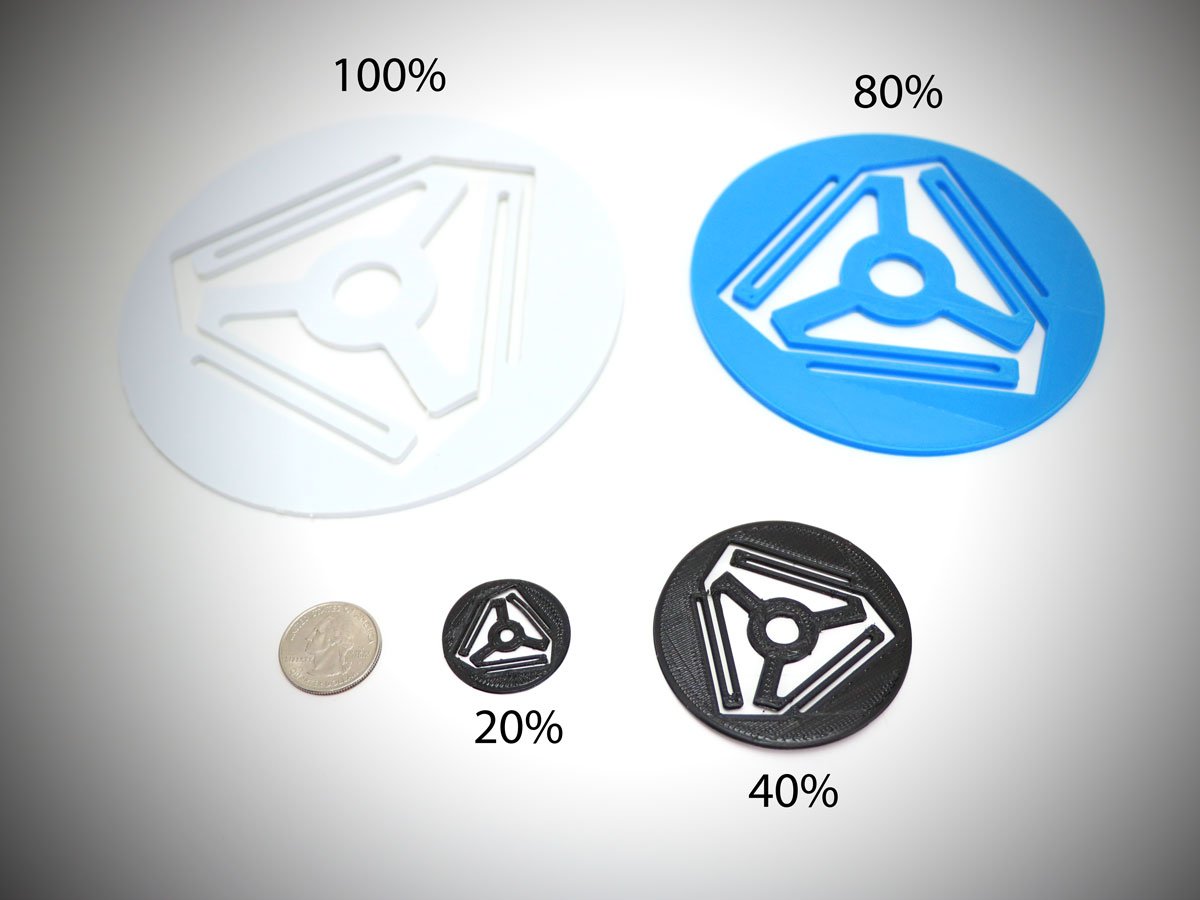
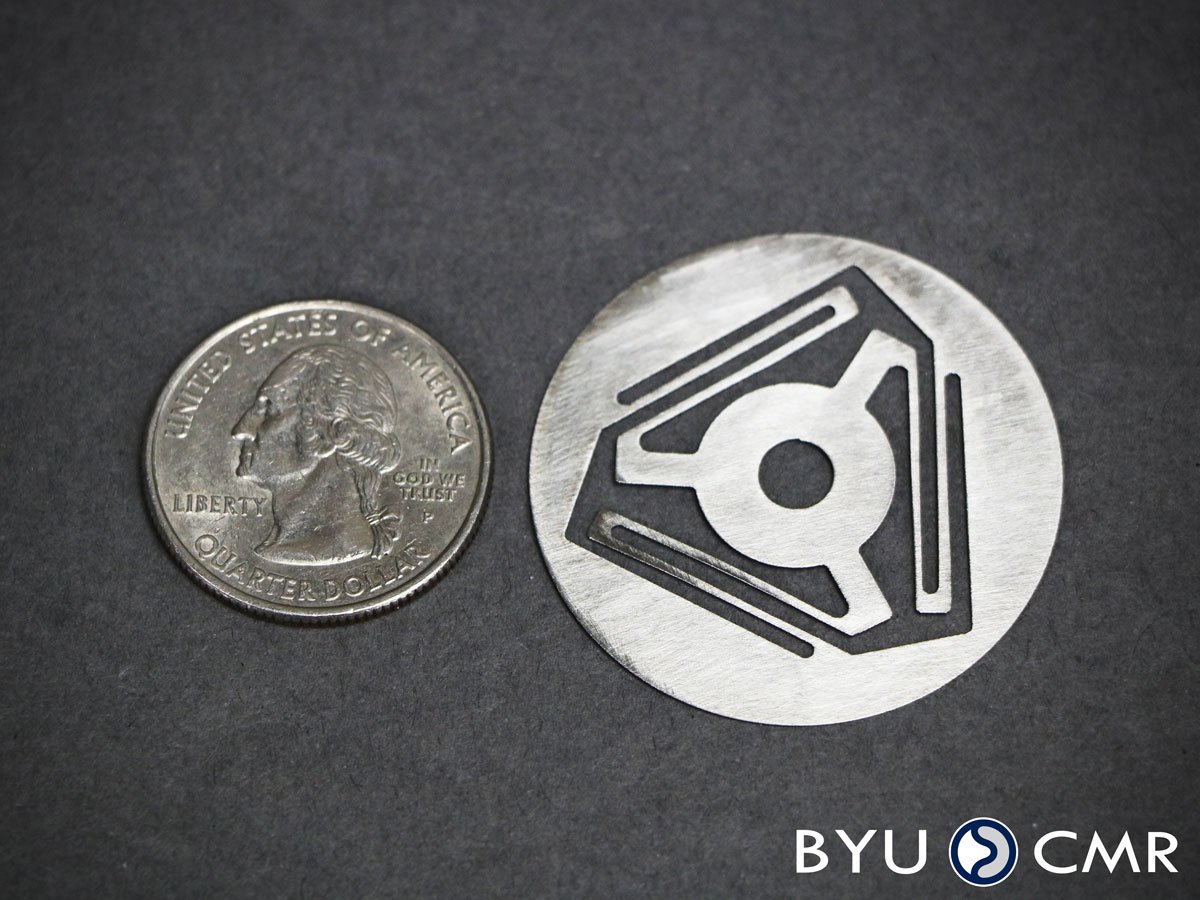
Depending on the material you are using, and the process (e.g. 3D printing vs milling), there are limitations with how small you can scale down.
3D printing: The smallest you can go is around 20% with this particular design using PLA
Other Materials
Mill, CNC Router, or Water Jet Cutter
Other Designs
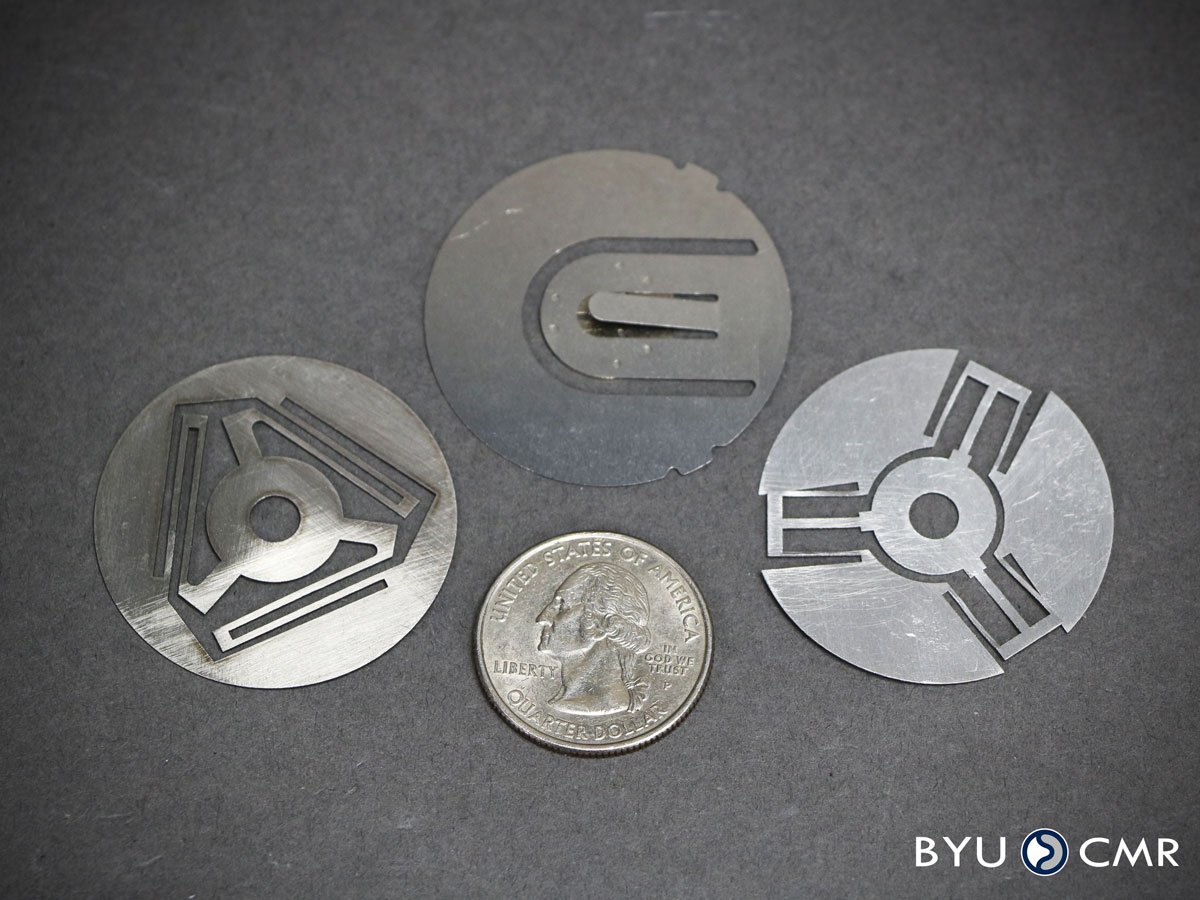
There are many other designs for orthoplanar springs.
Learn More
This design was developed by the Compliant Mechanisms Research Group (CMR) from Brigham Young University (BYU). Follow us at @byucmr on Instagram or visit the BYU Compliant Mechanisms Research (CMR) website to learn more about compliant mechanisms.
See [https://rdcu.be/dnHx0](https://rdcu.be/dnHx0) for an article in Nature Communications about how and why we share these maker resources.
Technical Information
For in-depth technical information, see the following publications:
Parise, J.J., Howell, L.L., and Magleby, S.P., “Ortho-Planar Linear-Motion Springs,” Mechanism and Machine Theory, Vol. 36, Nos. 11-12, pp. 1281-1300, 2001.
Santos, L.F.L., d’Almeida, J.R.M., Howell, L.L., “Changes in the mechanical performance of an ortho-planar spring after aging tests,” Journal of the Brazilian Society of Mechanical Sciences and Engineering, Vol. 45, No 2, article 118, 2023.
To learn more about compliant mechanisms in general, see the BYU Compliant Mechanisms Research (CMR) website or these books: Compliant Mechanisms, Handbook of Compliant Mechanisms
Intellectual Property
The downloadable 3D print files provided here may be used, modified, and enjoyed for noncommercial use. To license this technology for commercial applications, contact:
BYU Technology Transfer Office
3760 Harold B. Lee Library
Brigham Young University
Provo, UT 84602
Phone: (801) 422-6266
[https://techtransfer.byu.edu/contact](https://techtransfer.byu.edu/contact)
Patent Information
Compliant, Ortho-Planar, Linear Motion Spring
By Howell, L.L. , Thomson, S. , Briscoe, J.A. , Parise, J.J. , Lorenc, S. , Larsen, J.B. , Huffmire, C.R., Burnside, N., Gomm, T.A.
U.S. Patent No. 6,983,924
January 2006

Gostou deste modelo? Crie uma conta grátis para salvar seus favoritos e voltar a eles depois.
Criar conta