Você está no 3DFinder
Buscamos em Thingiverse, MakerWorld e Printables ao mesmo tempo para te dar o melhor de cada uma.
Descrição
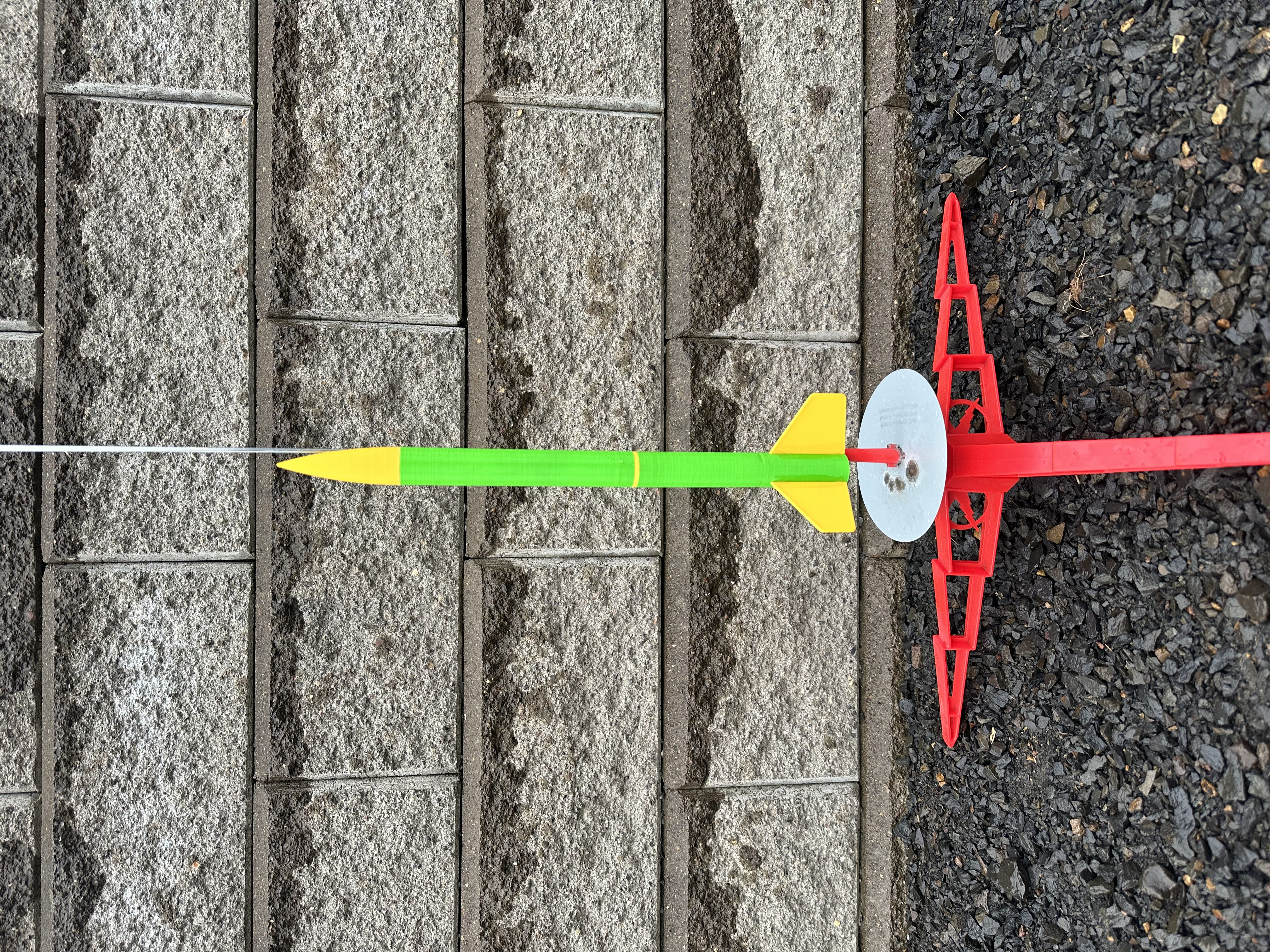
The 3D Printed equivalent of Juno from Make: Rockets by Mike Westerfield.
The body tubes and motor mount can be printed in vase mode to maximize strength and decrease print time, as well as decrease print time. If you are using the faster print version of the tube coupler, it can also be printed in vase mode, but the regular tube coupler can not.
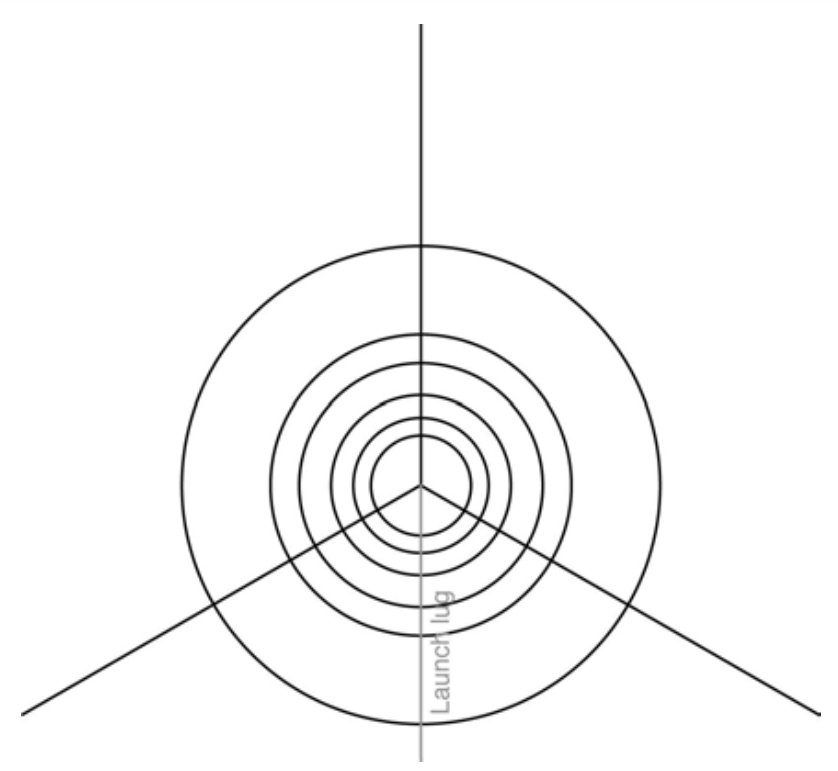
The fins should be placed 120° apart, with the launch lug at 60° (in between 2 fins).
Inner Tube Assembly
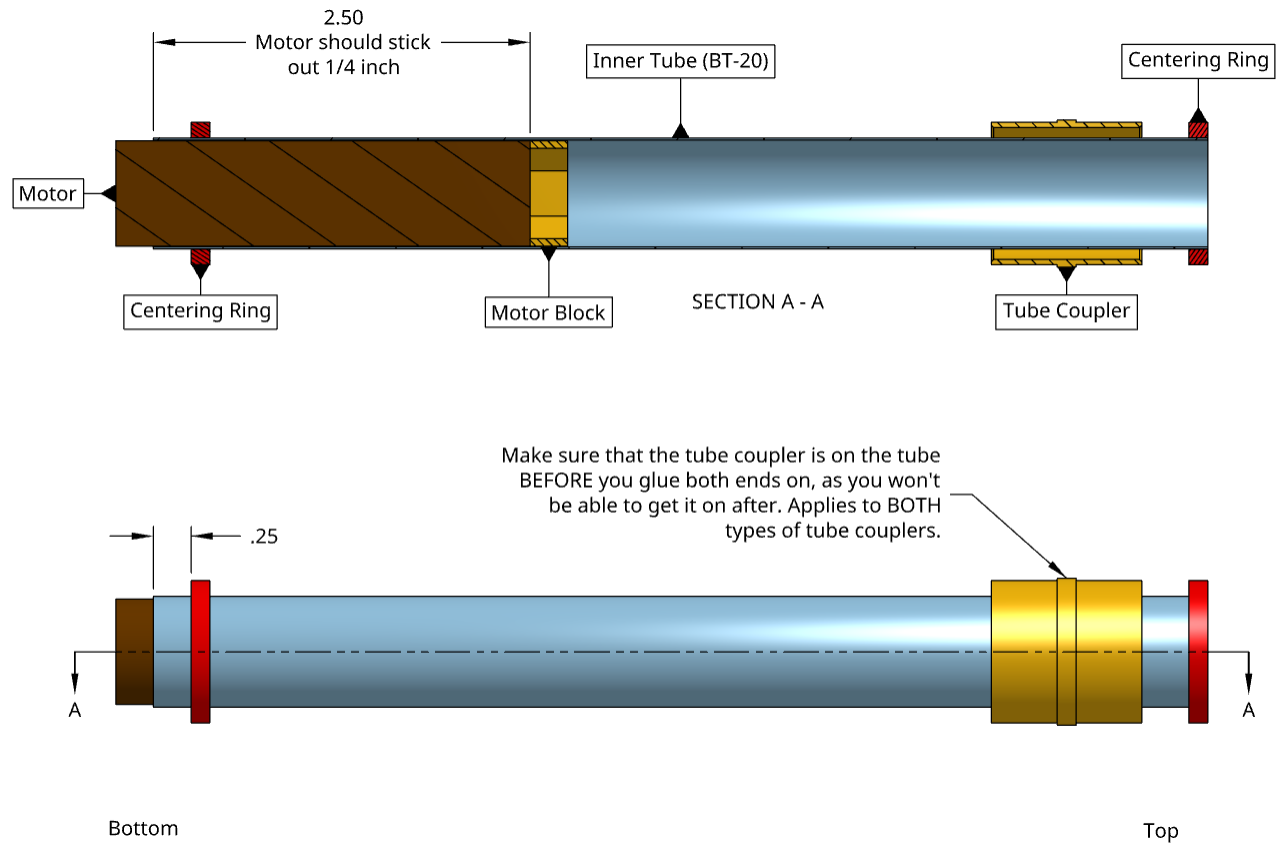
The motor block should be 2 ½ inches from the bottom of the inner tube, allowing the motor to fit in far enough to stay in, but with ¼ inch sticking out for removal.
All parts can be glued together with some sort of plastic glue (i.e. 3D Gloop!), and may need some sanding to get together.
If it has a tighter fit than the motor, the nose cone should be sanded to reduce friction. Tape can also be added to the motor to ensure a tight fit.
Print the nose cone with 25% infill to ensure stability.
This rocket can fly up to 1,300 feet, or about 400 meters (on a C6-7).
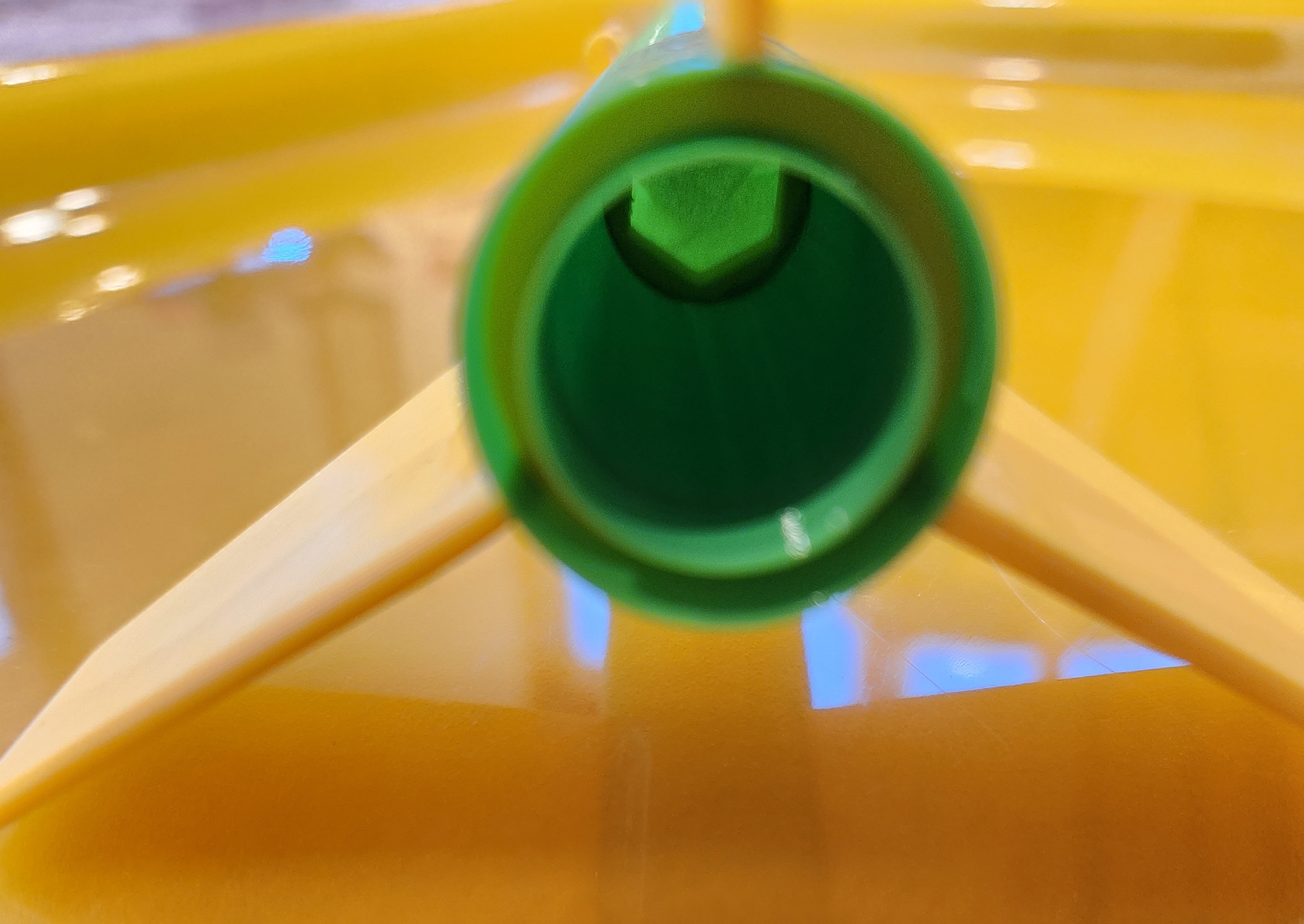
You will still need a parachute and shock cord, but the motor should pressure fit without an engine hook, and there is a block to keep it from going too far in.
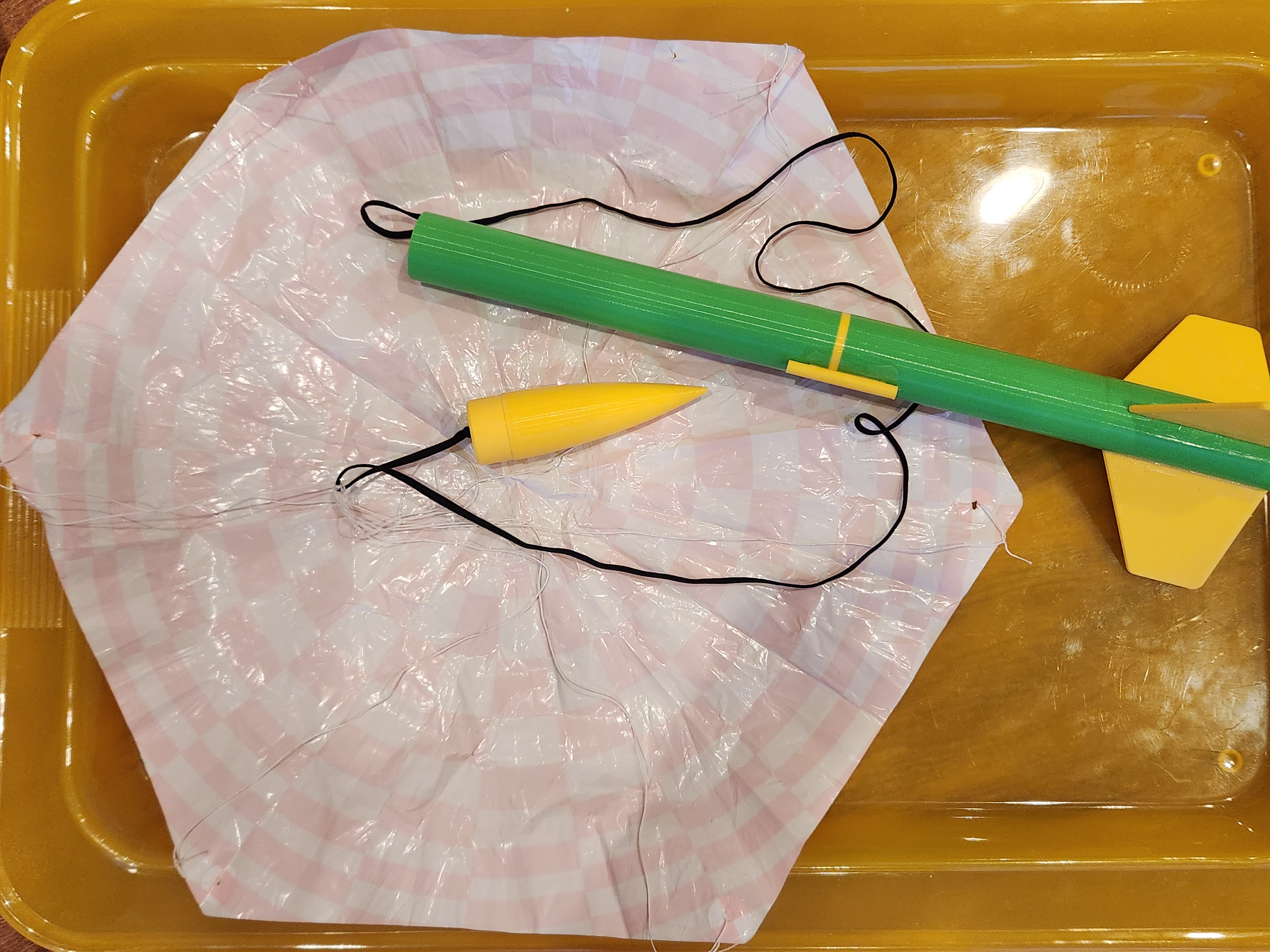
The shock cord should be 3 feet (1 meter) long. A 12-inch parachute should also be used.
When launching, make sure to launch it properly (away from power lines, not when an aircraft is flying close, count down from 5, etc.). I am not liable for damages caused by improper use.
This rocket can use A, B, or C rocket motors, and is designed to fly from a standard 1/8th launch rail, like the one that comes default with beginner launch pads.
Happy flying!