Você está no 3DFinder
Buscamos em Thingiverse, MakerWorld e Printables ao mesmo tempo para te dar o melhor de cada uma.
Descrição
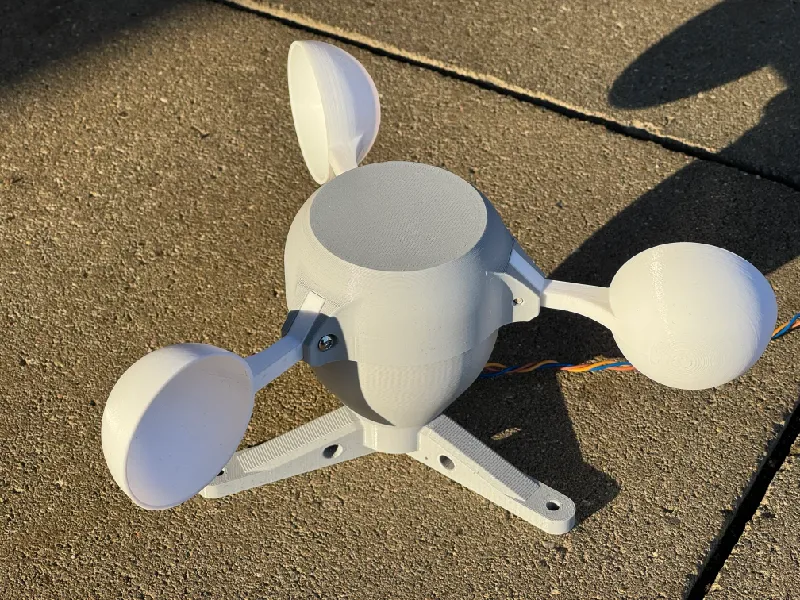
This anemometer is calibrated out of the box, robust, easily be printed and needs only little hardware to get it ready. It is intended to be used with a KY-024 hall sensor as pick up. Easily be implemented with Arduino, ESP32 or RasPi
Hardware needed: one 608 bearing, one KY-024 (or similar), one 5x2mm round neodymium magnet, 4xM3 bolts. If you want to modify it for a different sensor than the KY-024 or other magnet, you are going to find the .STEP for download too.
Printing:
Print all parts in the given orientation with all settings as you see fit. No need for support.
Assembly:
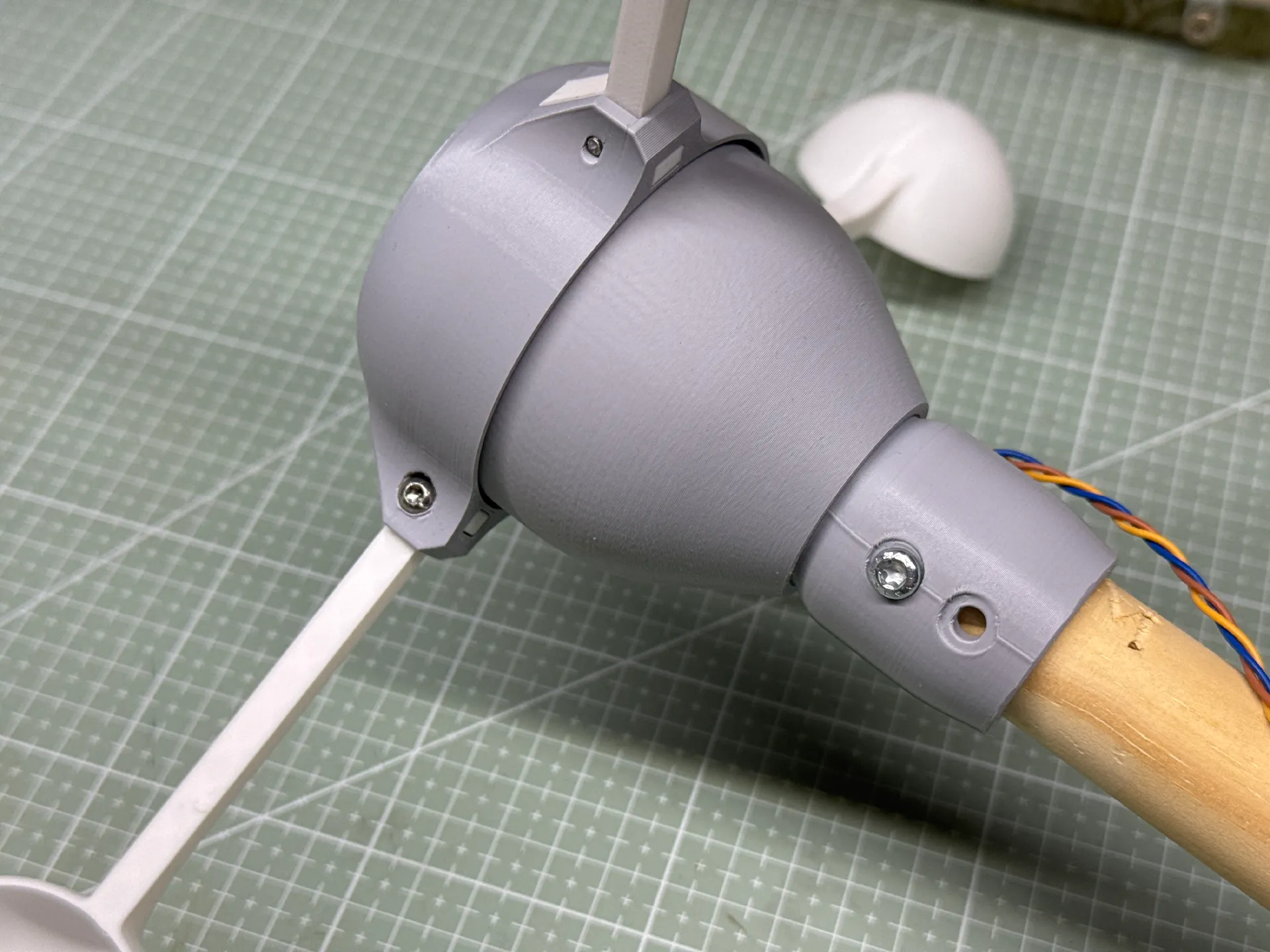
See pictures and step by step, down below. If you are not sure about positions of certain parts, refer to the attached .3mf file for detail.
1) Solder some wires to the KY-024 and insert it into the Body. Also insert the Magnet in the Rotor. Make sure it is inserted with the correct orientation (North/South). Otherwise the hall sensor wont pick it up. Note: Test correct function of hall sensor before gluing the magnet in place.
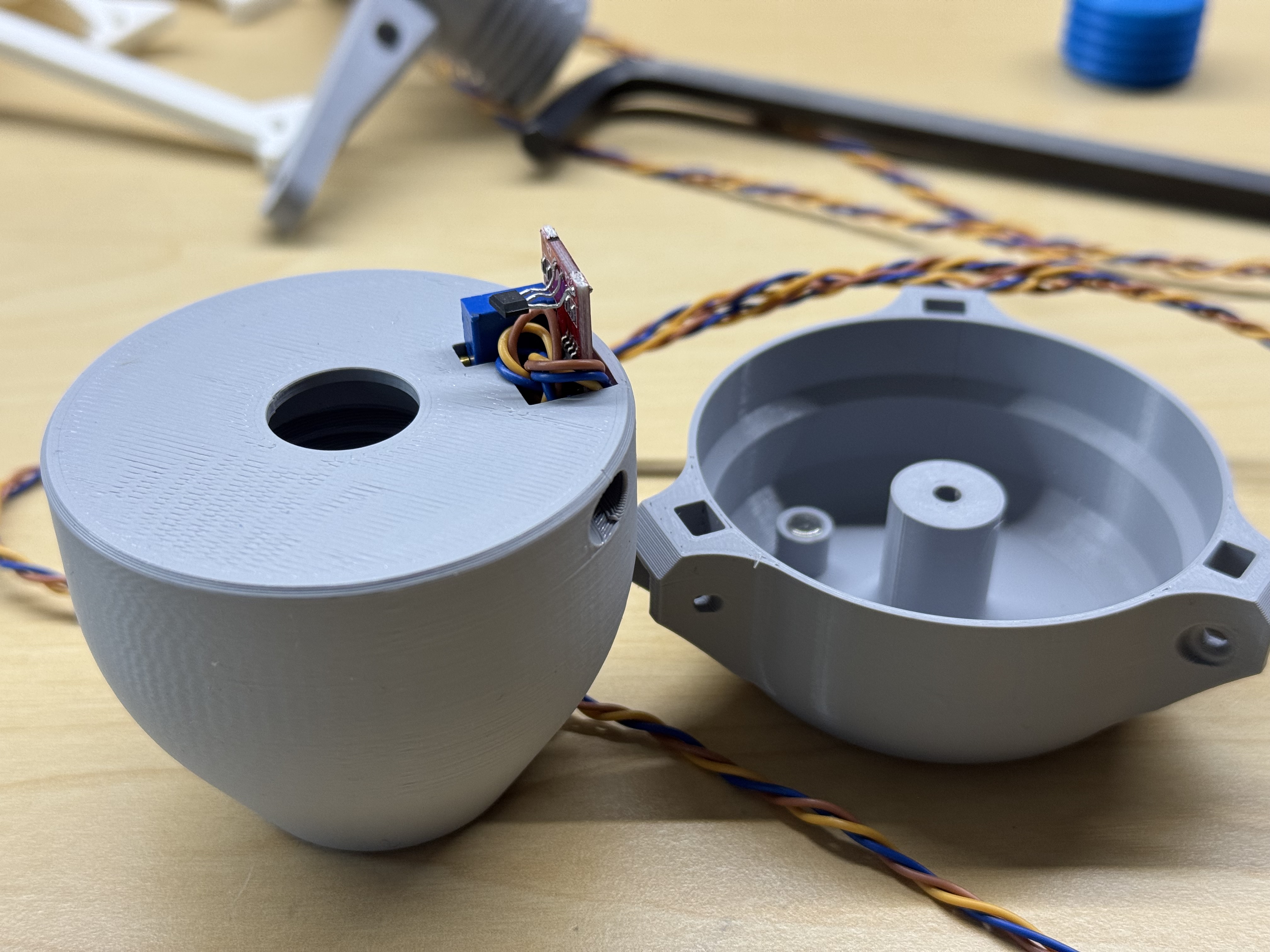
2) Insert the Rotor in the Body and turn both upside down. Now put in the 608 bearing and bolt it down with the Spacer. Make sure it is fully tightened.
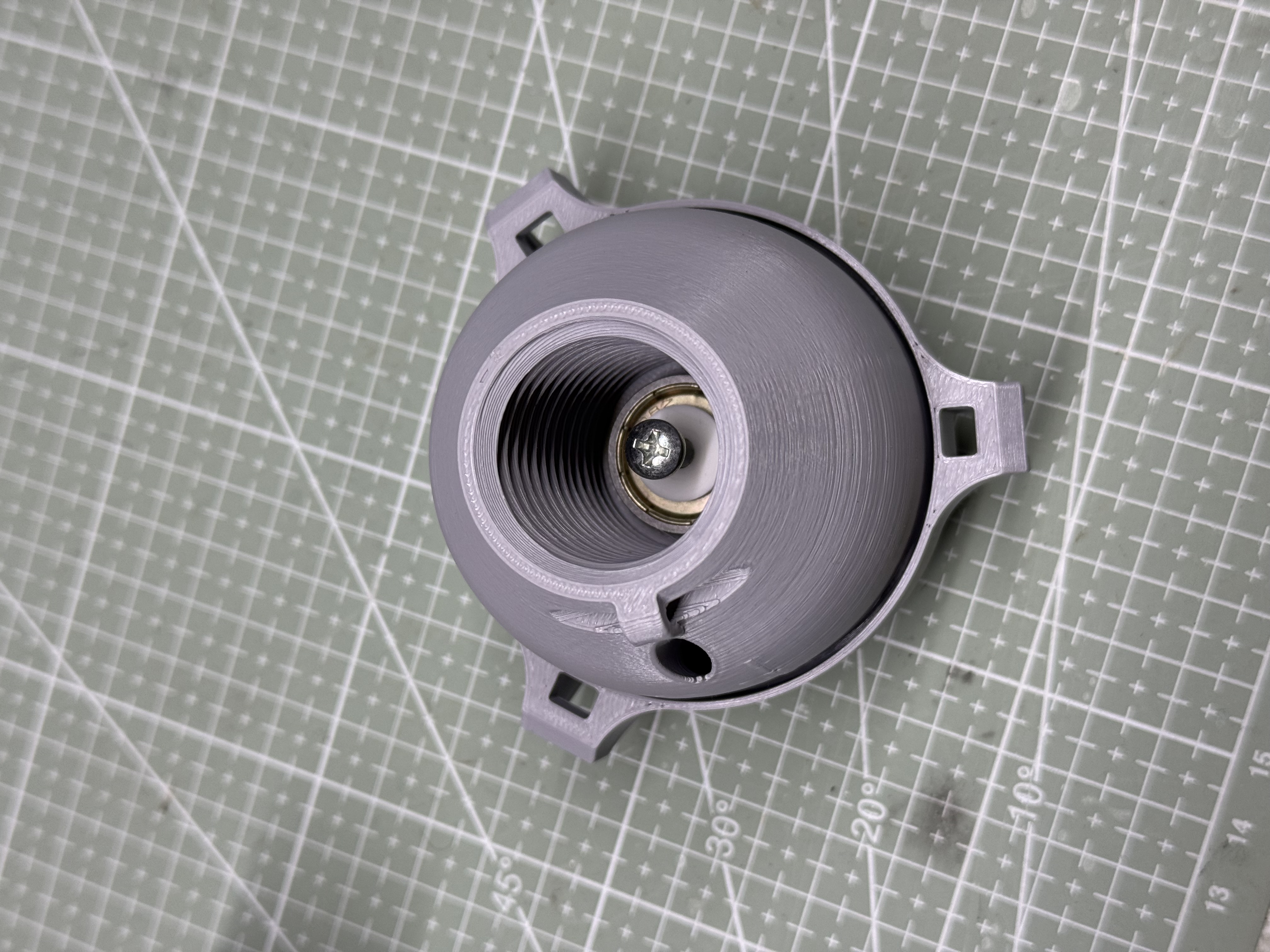
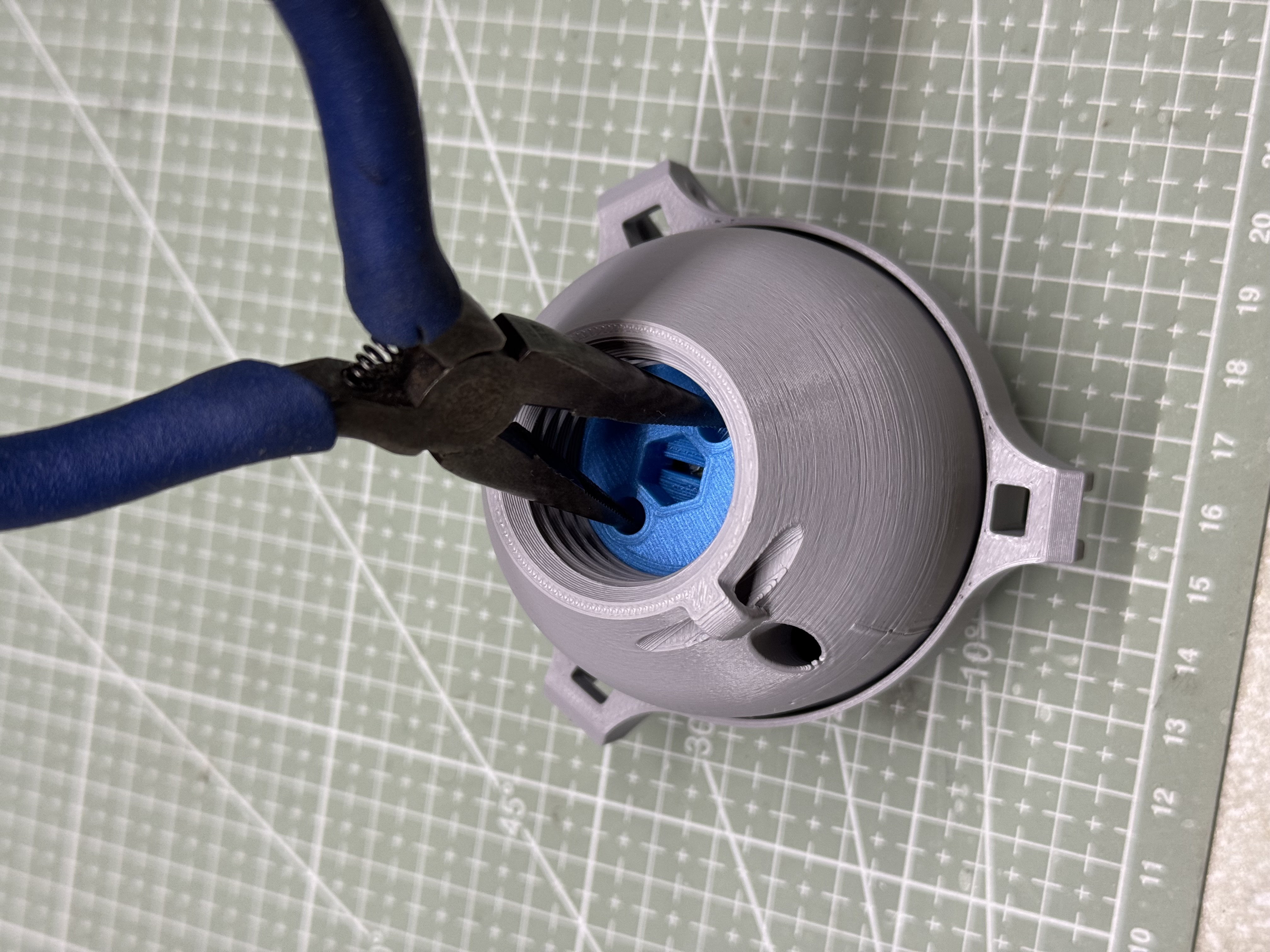
3) Insert the Nut in the Body in order to close it up. You can tighten it with needle nose pliers, a hex key or even a flat head screw driver. Take whatever you have at hand.
4) Put the Wings in place and secure them with M3 bolts. Also insert the Base. You can choose between different ones. Like mounting directly to the 3-pod or raising it a little with a Pole mount
How to use/measure:
Read out the wind speed with a arduino, ESP32 or RasPi.
This anemometer is "calibrated" and intended to be used with the following linear function.
The actual wind speed is going to be: wind speed [m/sec] = 2.59 * rotation/sec [hz] + 1.31
If you are interested about the construction of this anemometer and how the correctional function came to be, feel free to have a look on the following article. There i have a look at some of the interesting detail of how to calibrate a anemometer and some things to keep in mind if using a cup anemometer in general
[https://www.printables.com/article/precise-anemometer-from-scratch-0dBoVjZ](https://www.printables.com/article/precise-anemometer-from-scratch-0dBoVjZ)