Você está no 3DFinder
Buscamos em Thingiverse, MakerWorld e Printables ao mesmo tempo para te dar o melhor de cada uma.
Descrição
Updates
- 19-04-2023: First upload
Usage
Having a small vermicomposter can bring many benefits to your home. First and foremost, it's an eco-friendly way to dispose of food waste. Instead of throwing away scraps, you can feed them to the worms in your vermicomposter, and they'll turn it into nutrient-rich compost for your plants.
Another benefit of having a small vermicomposter is that it's incredibly easy to maintain. Unlike traditional composting methods, vermicomposting requires no turning or aerating of the compost. The worms do all the work for you, so you only need to feed them and keep the bedding moist.
Vermicomposting is a great way to teach children about sustainability and reducing waste. Kids love watching the worms squirm in the compost, and they'll learn about the natural process of breaking down organic matter. Plus, they'll see the fruits of their labour when you use the compost to grow healthy, beautiful plants.
Parts
The vermicomposter design comprises several parts that work together to create a small and efficient composting system for indoor use. The design includes a cover, cover lid, bin, reservoir, waste container, reservoir feet and an optional reservoir drain cover.
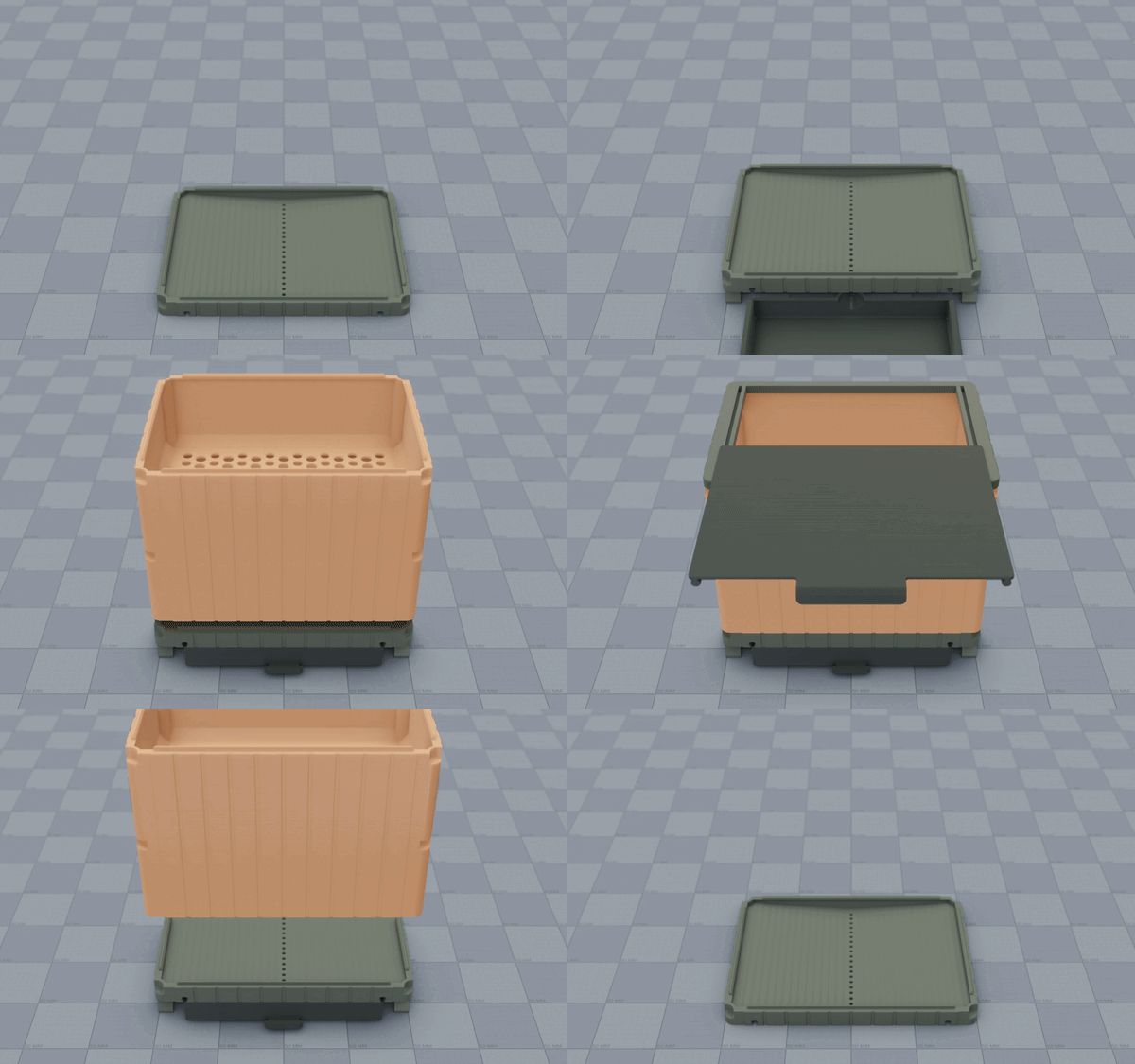
Starting with the reservoir and waste container is recommended, as these are essential for collecting excess moisture and preventing the compost from becoming too wet. This also helps to test the pin and slot tolerances. Next, you can move on to printing the bin cover holder and sliding cover, as these components help trap any odours from the composting process and keep the bin's contents secure. Finally, you can print the bin, which has the longest print time but is the central component of the vermicomposting system.
Cover
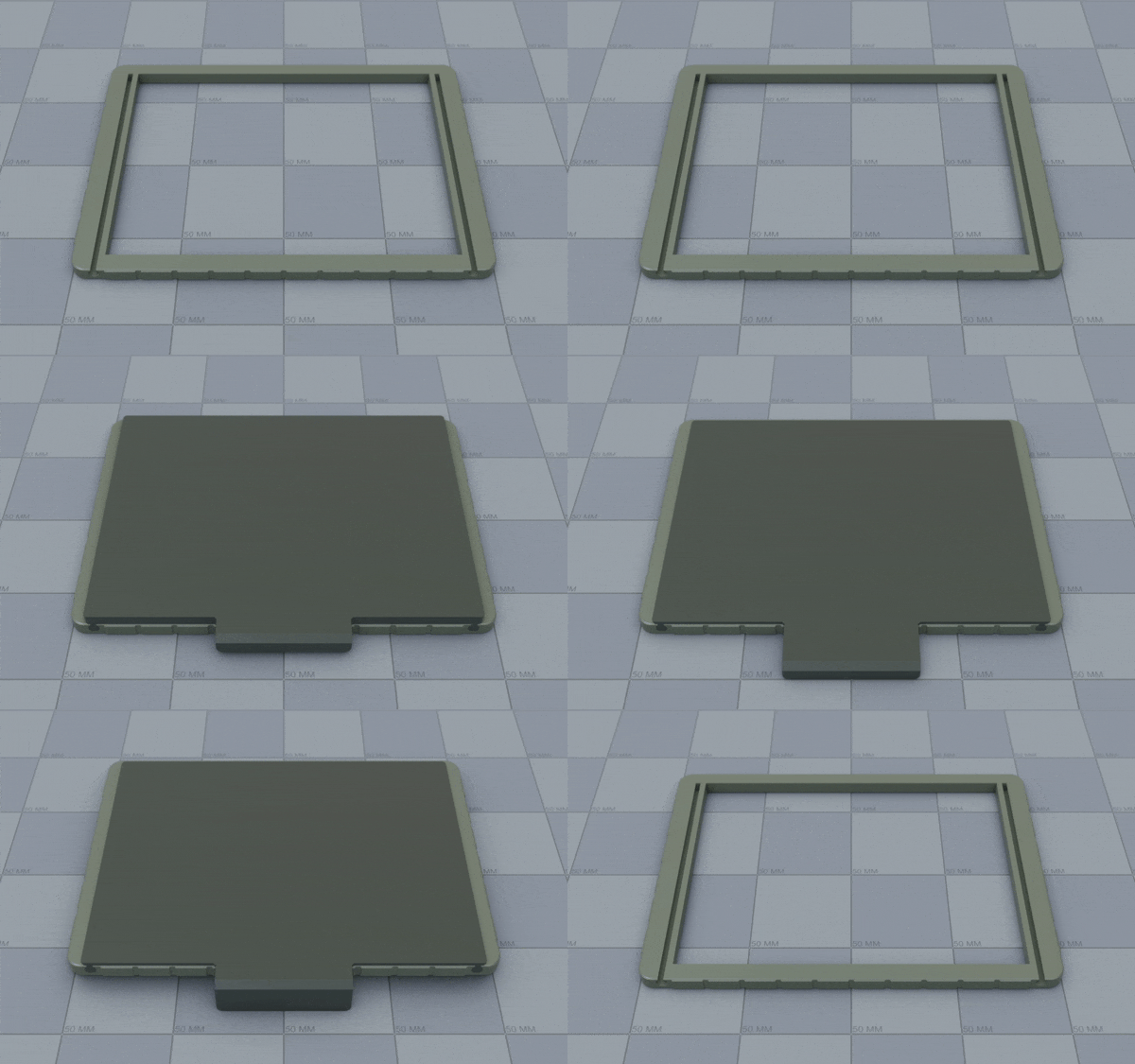
This vermicomposter comes with a cover frame and sliding lid to contain any unpleasant odours during composting, making it ideal for indoor use. The lid also features an adjustable handle for convenient access to the bin.
Bin
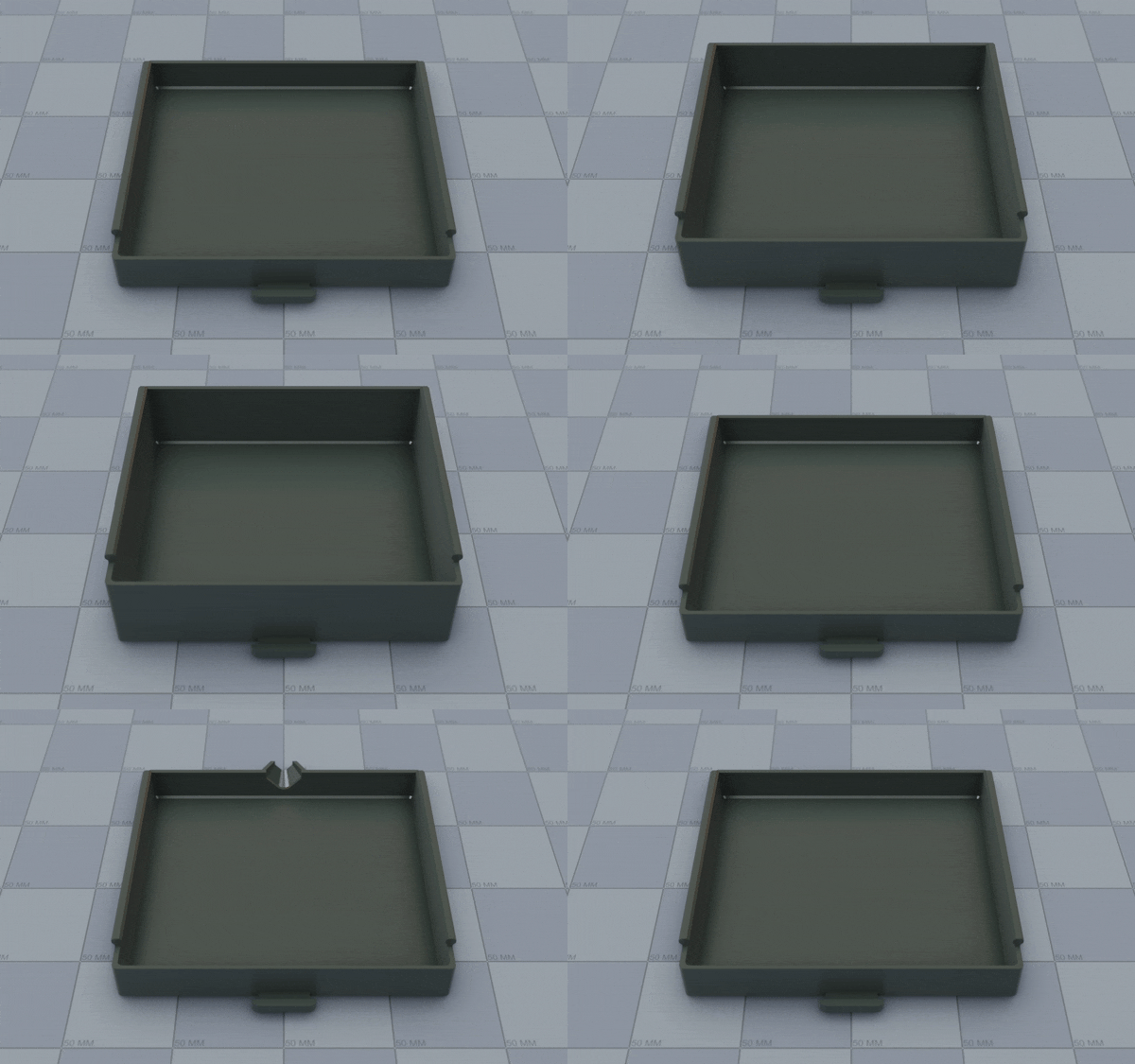
The bin plays a crucial role in the organic matter processing process in a composter. It features adjustable holes at the bottom that allow worms to move around. Additionally, circular indents on the four corners make it easier to separate the individual parts when necessary. It's best to have at least two bins for each composter for optimal results. Worms don't enjoy being in decomposing matter constantly and will move from the bottom to the top when they need to feed.
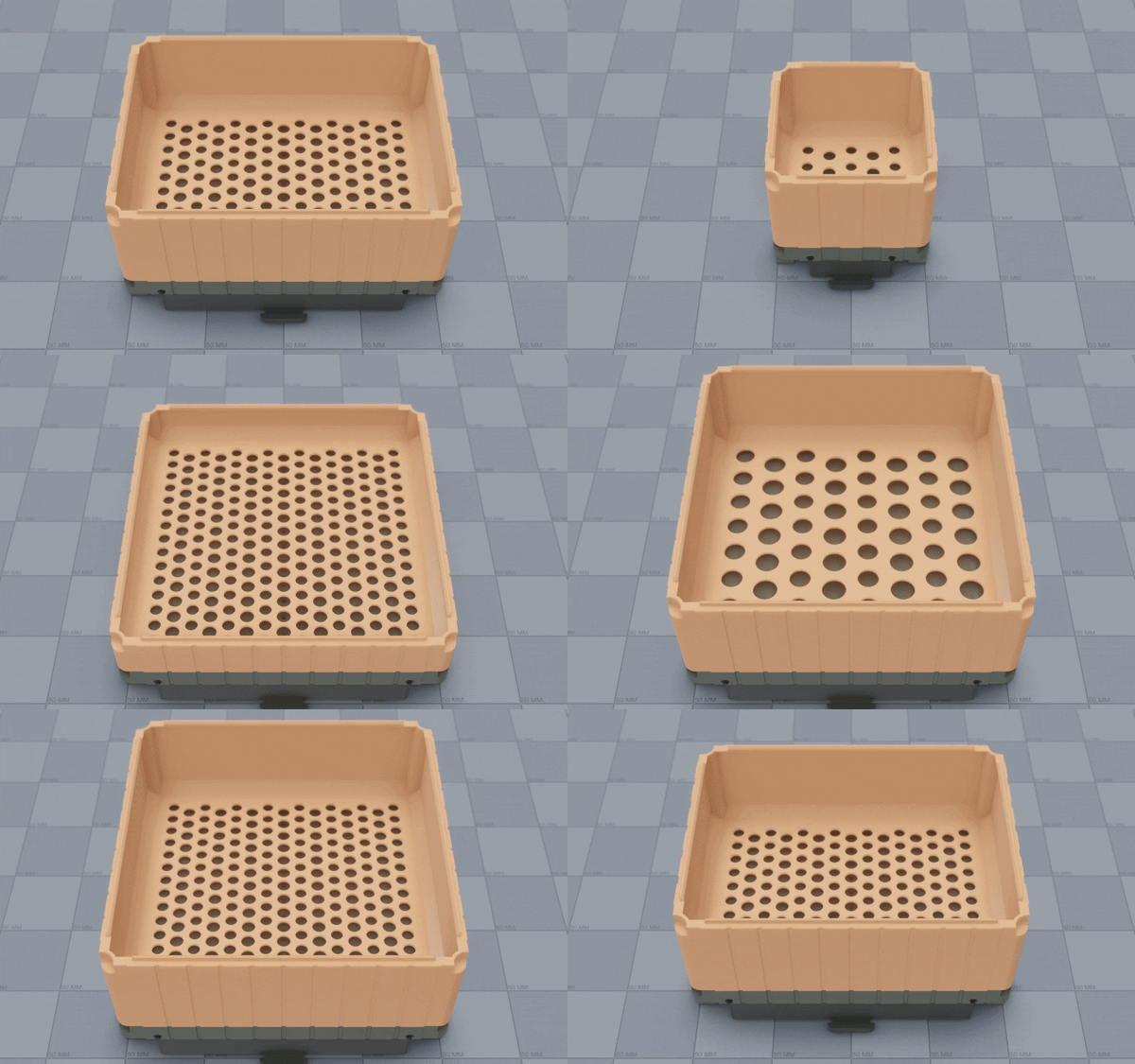
The time it takes for compost to fully decompose can vary greatly. If your compost consists mostly of soft materials such as leaves or fruit pulp, it could be ready in a few weeks. However, if you add tougher materials like potato peels or broccoli stems, the compost may take several months to break down completely.
Reservoir & Feet
A reservoir is incorporated to gather any extra moisture during the composting process to keep the compost from becoming too wet. When starting the vermicomposter, filling the reservoir with tiny paper scraps is advisable to create a healthy environment for the worms. The reservoir can be lifted off the ground by attaching the feet underneath it. Additionally, the waste container can be connected to collect any excess liquid.
Reservoir Drain Cover (Optional)
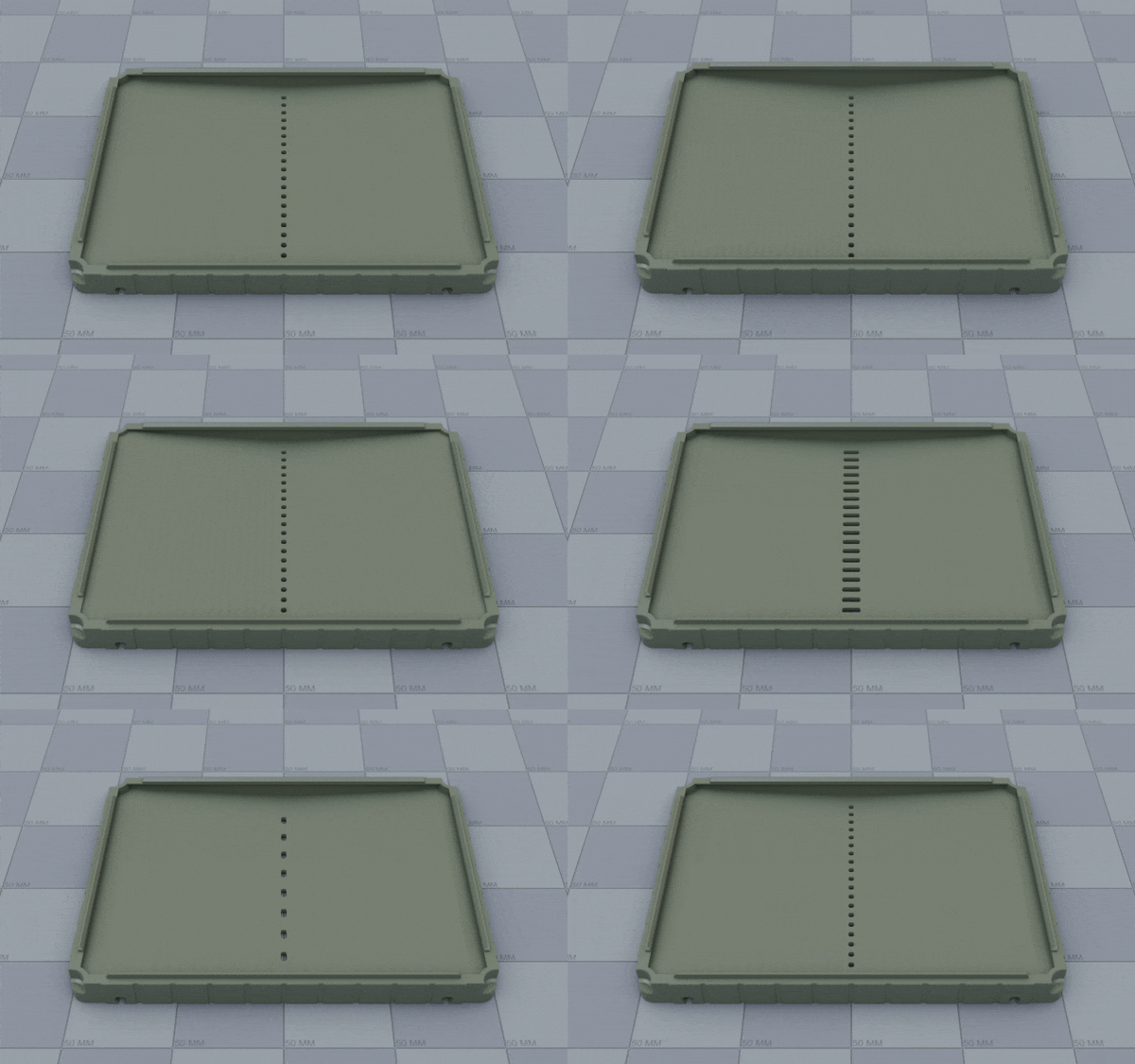
I also designed a cover for the reservoir to prevent the adventurous worms from falling into the waste container. The cover has 0.8mm high slits for the waste liquid to flow through and into the drain holes. Depending on the length of the vermicomposter, up to 4 holes are used to keep the cover in place. It can be easily removed for cleaning.
Waste container
The waste container at the bottom of the reservoir collects any excess liquid that drips down from the compost. This liquid can then be drained from the waste container as a great plant nutrient-rich fertiliser.
Printing Difficulty: II
I: Novice printing knowledge
- Basic understanding of 3D printing principles and processes.
- Familiarity with operating a 3D printer.
- Able to follow step-by-step instructions for printing simple designs.
- Limited experience troubleshooting common printing issues.
II: Intermediate understanding
- Proficient in 3D printing principles and processes.
- Comfortable with various 3D printer settings and parameters.
- Capable of handling more complex designs and making necessary adjustments.
- Able to troubleshoot common printing issues and optimise print quality.
III: Experienced
- Extensive knowledge and expertise in 3D printing.
- Proficient in advanced printing techniques, such as multi-material or multi-colour printing.
- Skilled in fine-tuning printer settings for optimal results.
- Capable of handling complex and intricate designs.
- Experienced in troubleshooting and resolving various printing challenges.
Filaments
For my print, I used the following filaments.
- PETG Recycled for the reservoir, reservoir drain cover and feet.
- PETG Prusament Terracotta Light for the bins.
- PLA Prusament Jet Black for the cover, cover lid and waste container.

Gostou deste modelo? Crie uma conta grátis para salvar seus favoritos e voltar a eles depois.
Criar conta