Você está no 3DFinder
Buscamos em Thingiverse, MakerWorld e Printables ao mesmo tempo para te dar o melhor de cada uma.
Descrição
After the release of the final version of the Ergo Mouse, which breaks away from the original bamboo lab model's aesthetics as well as my previous designs, I'm excited to introduce a more refined model featuring generative design. Though this version is merely inspired by automatic generation techniques, it allows for precise control of wall angles, reducing the need for extensive supports. Like the base "Ergo Mouse" model, this version doesn't require a flat base for printing. However, I recommend using standard or galaxy PLA; Matte PLA tends to have more challenging supports to remove, which can leave marks on the piece. I hope you like it :)
Affiliated links for Bambu Lab Material if you want to help a little:
- Galaxy PLA
- PLA CF
- Normal PLA
and part of the success on getting the mouse without that flat bottom, and almost without any support scars is the use of Gold PEI build plate, this plate, don't know why, has a stronger grip when compared to the black one, and they have it for all printers.
You can get more information on the parent project Ergo Mouse,
Like the parent project, this mouse uses the wireless mouse kit from bambu lab
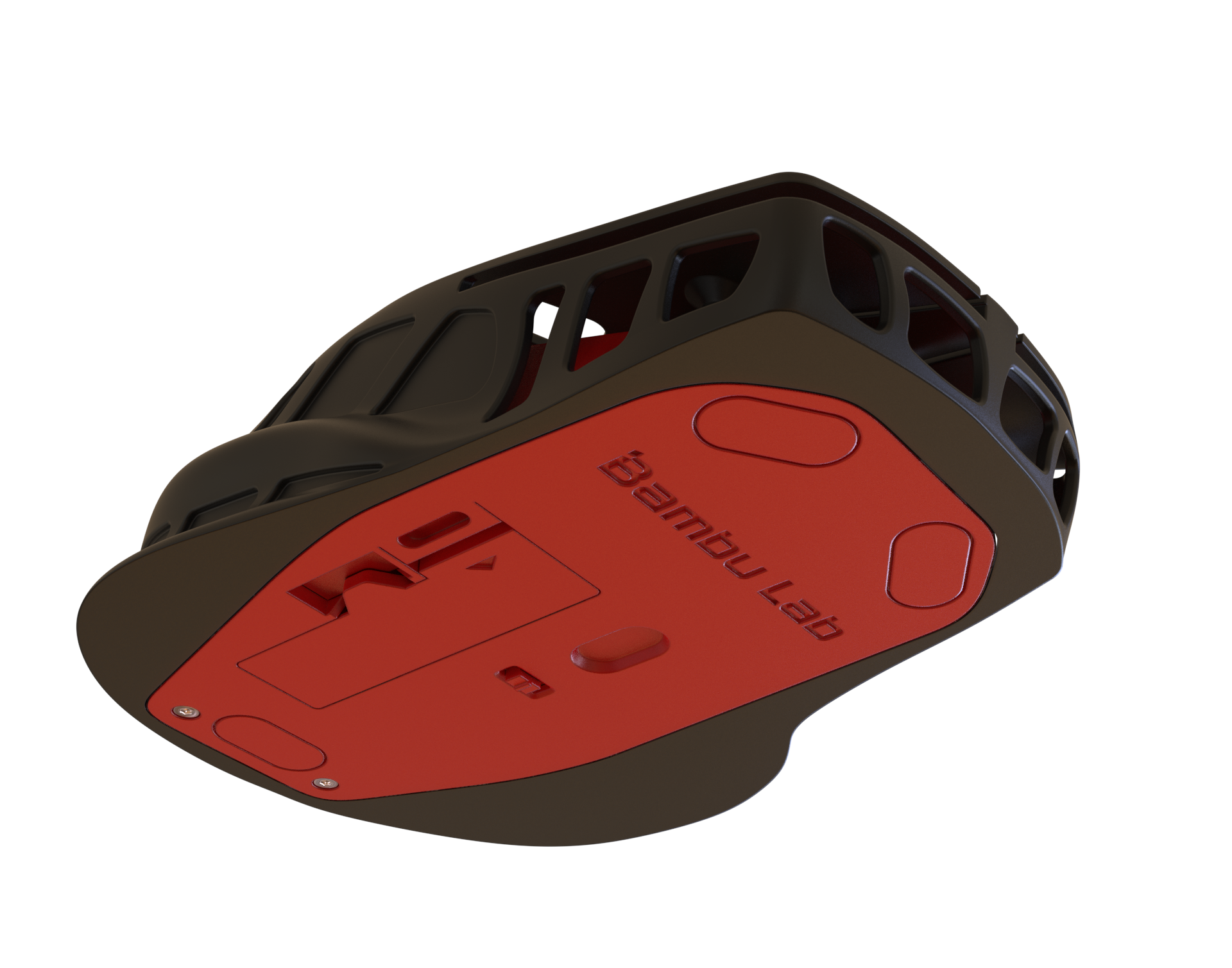
Video do assemble the Bambu Lab Wireless Mouse kit with this “skin”
A Message to you:
Hello! I trust everyone is in good spirits.
I'm contacting you because I'm encountered increasing difficulties displaying my work on Facebook and, more so, on Reddit. Although I'm utilizing this platform and others, I'm seeking alternative methods to show my work.
A community member (Kardes.Design) suggested an abominations called "TikTok", which I admit I've previously attempted with limited success.
Nevertheless, I'm willing to try again to share my development journey and updates. For TikTok users, you can find me at: www.tiktok.com/@designrepcom.
Your support in sharing would be greatly valued. And here a tiny clip for this project
Context
This mouse has been constructed in a completely different manner from previous versions, with a particular focus on functional and ergonomic aspects. Think of it as a study rather than the final product. Nevertheless, I have decided to release it for those interested in experimenting. What to expect:
- Optimal comfort level for a hand size within the 90th percentile, which includes most adult male hands.
- Perfect button actuation. Given the button layout in this kit, as well as the limitations imposed by 3D printing, this will be the most suitable key configuration and should work with most printing configurations.
- I have included a version with specific material for support. Especially for those with an AMS system, this is one of the materials that should always be loaded.
- It is true that it is somewhat expensive, but if used only on the interface layer, this material will allow for many prints, as only a small amount is used on the contact zone. The advantage is an almost perfect interface zone. Bambu Lab currently offers "Support for PLA," which is a relatively elastic material with very low adhesion to the piece's walls. PVA, which is water-soluble, can also be used and allows for even superior results. Both are excellent options. The downside is that the printing will take much longer to complete, and the purging effect will consume some of the precious support material.
You can also try using PETG as a support material. Since the melting temperatures of the two materials are similar, they are incompatible (they don't "fuse" together), which is beneficial for support structures. However, PVA or the specific support material allows for superior results, and in terms of configurations, everything is automated in Bambu Studio.
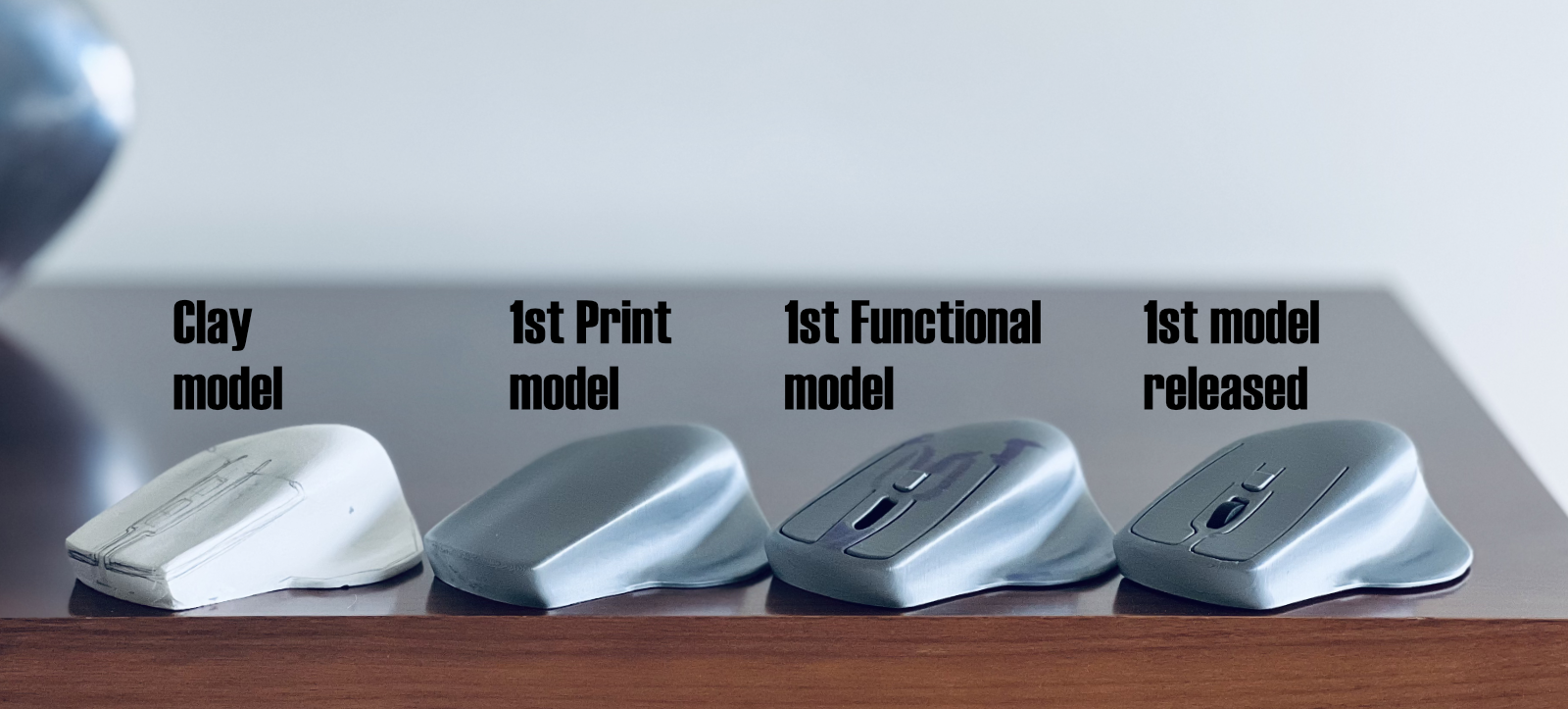
For those interested in understanding the development process of this and other products, which, as you can see, originated from a sculpture to ensure the most ergonomic design possible, the object was then 3D scanned. The resulting point cloud data was used to create a comprehensive 3D model, which ultimately became the final 3D printable design. You can find more details and follow the journey on my blog
This uses the wireless mouse kit from bambu lab
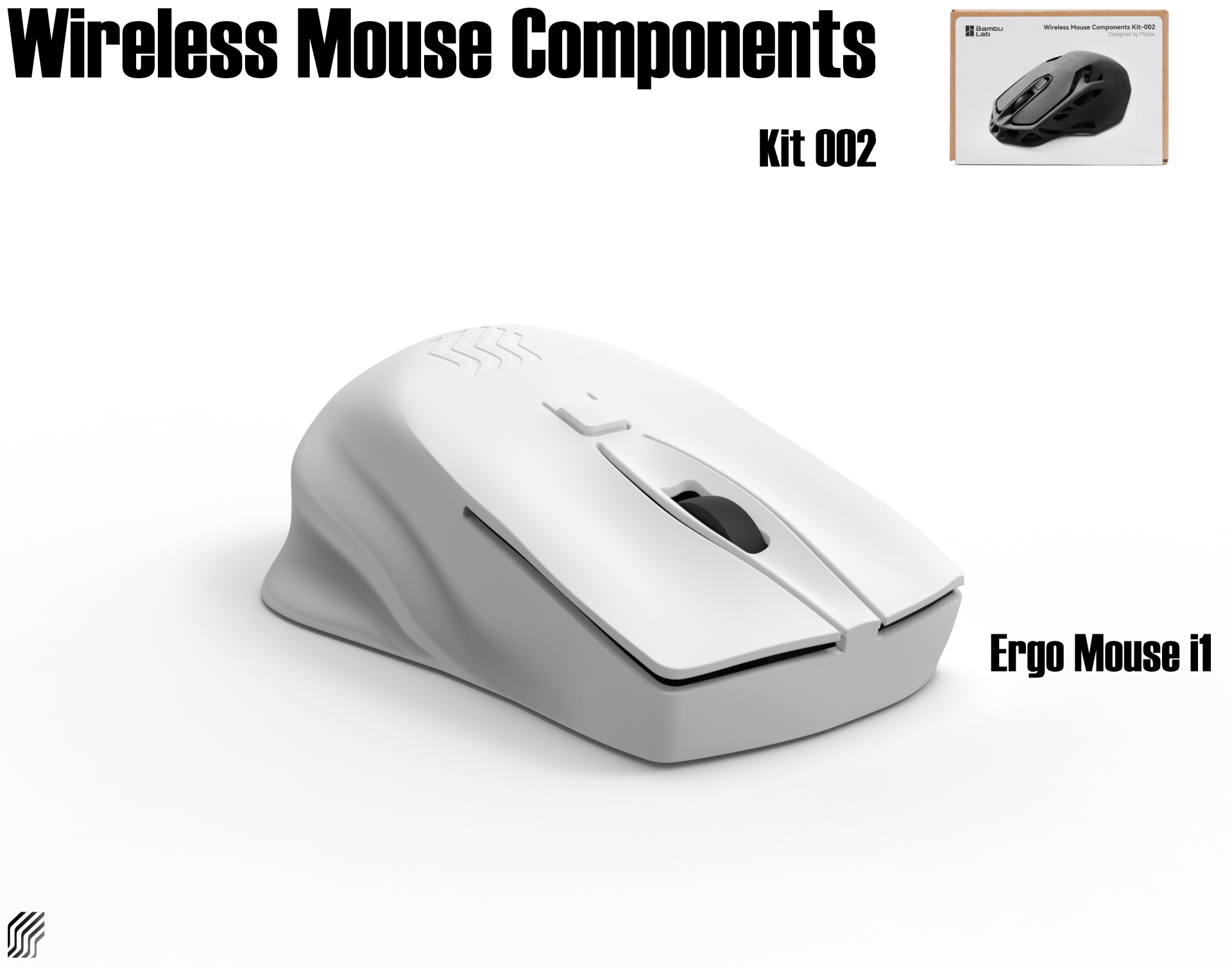
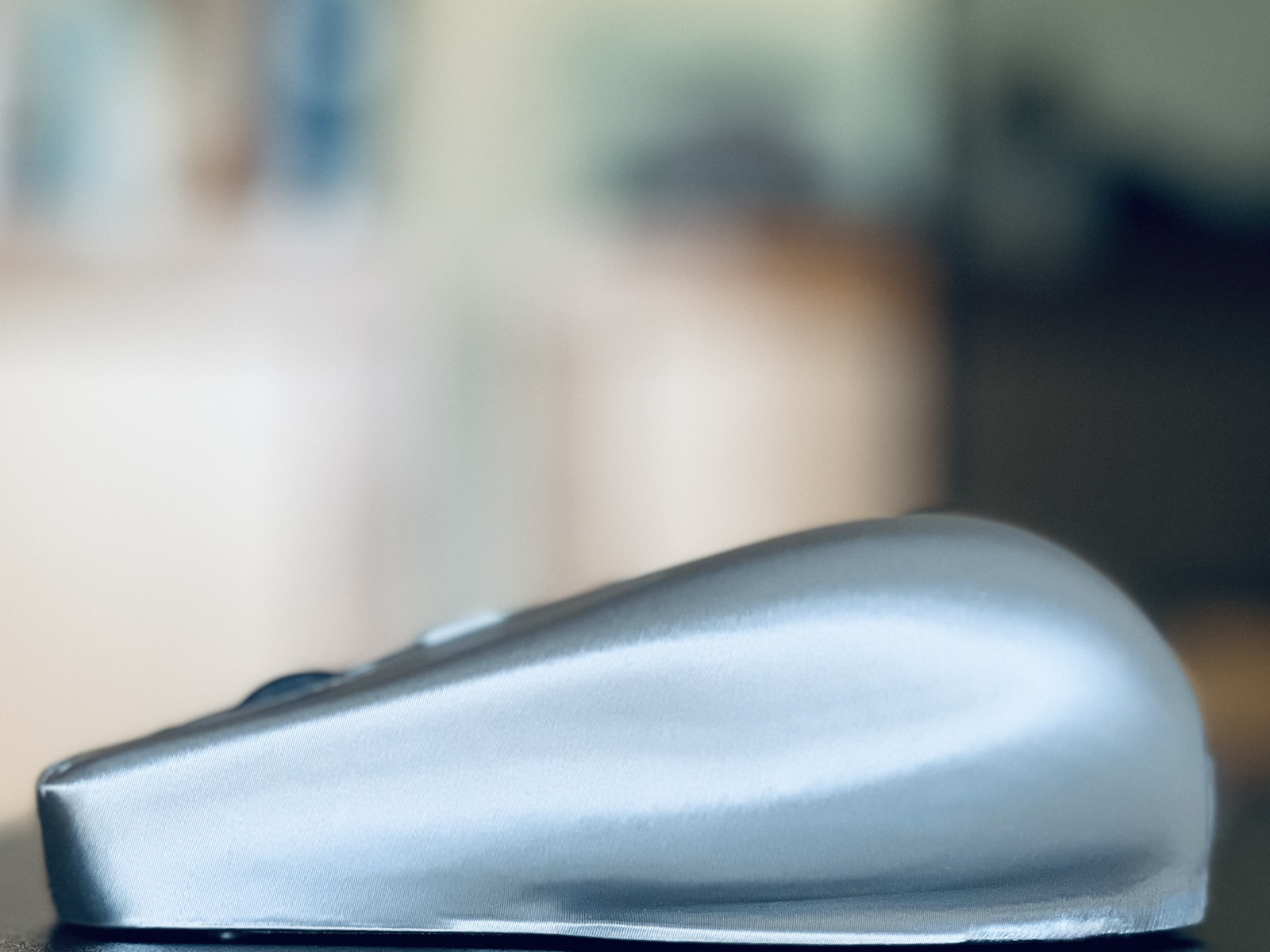
This was the 1st study, so I will not be making the usual render images this time. Instead, I will share the print to show how clean it comes out. Still available to print, see instruction on the bottom (Ergo Mouse I1.3mf).
 | 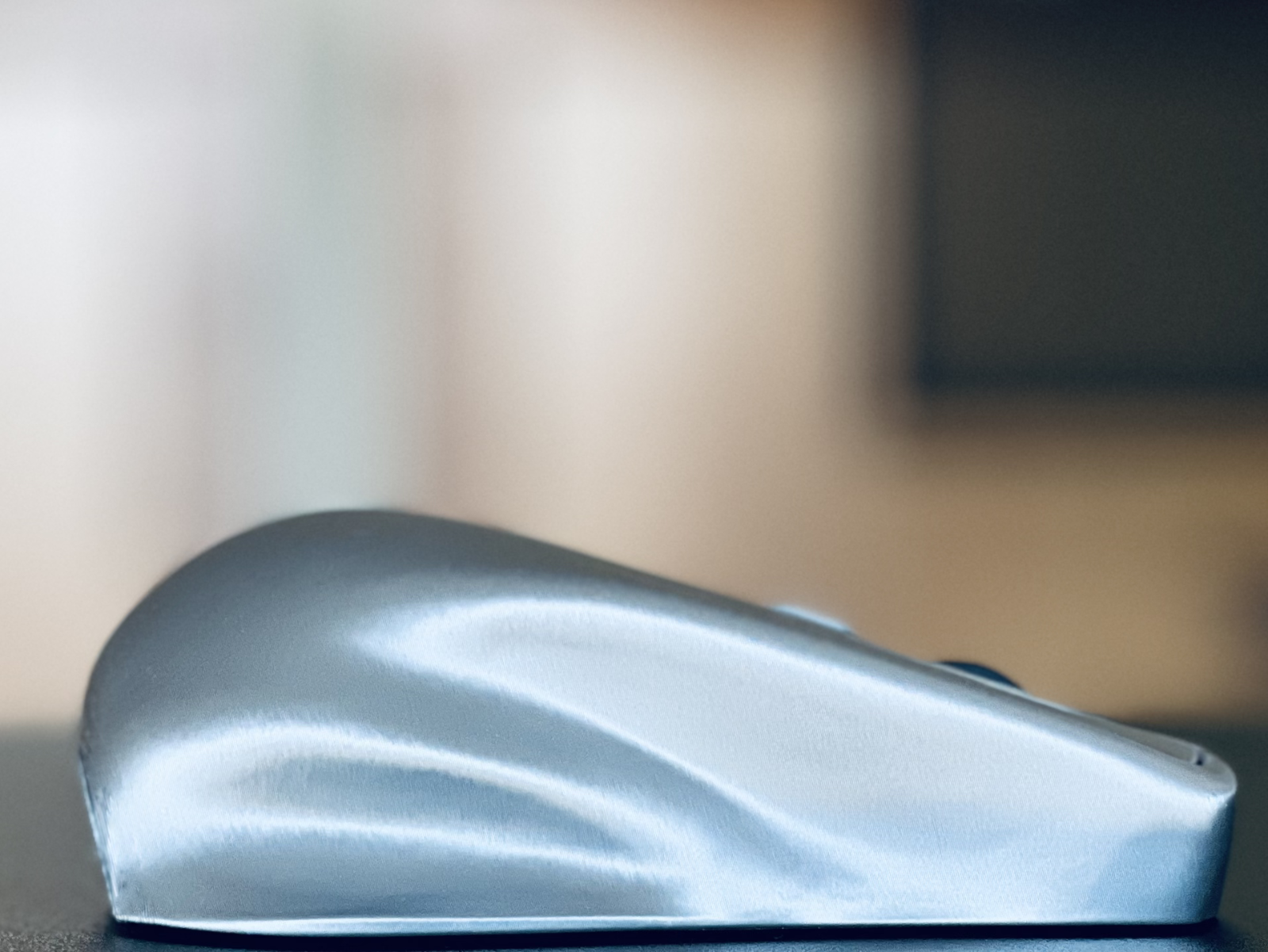 |
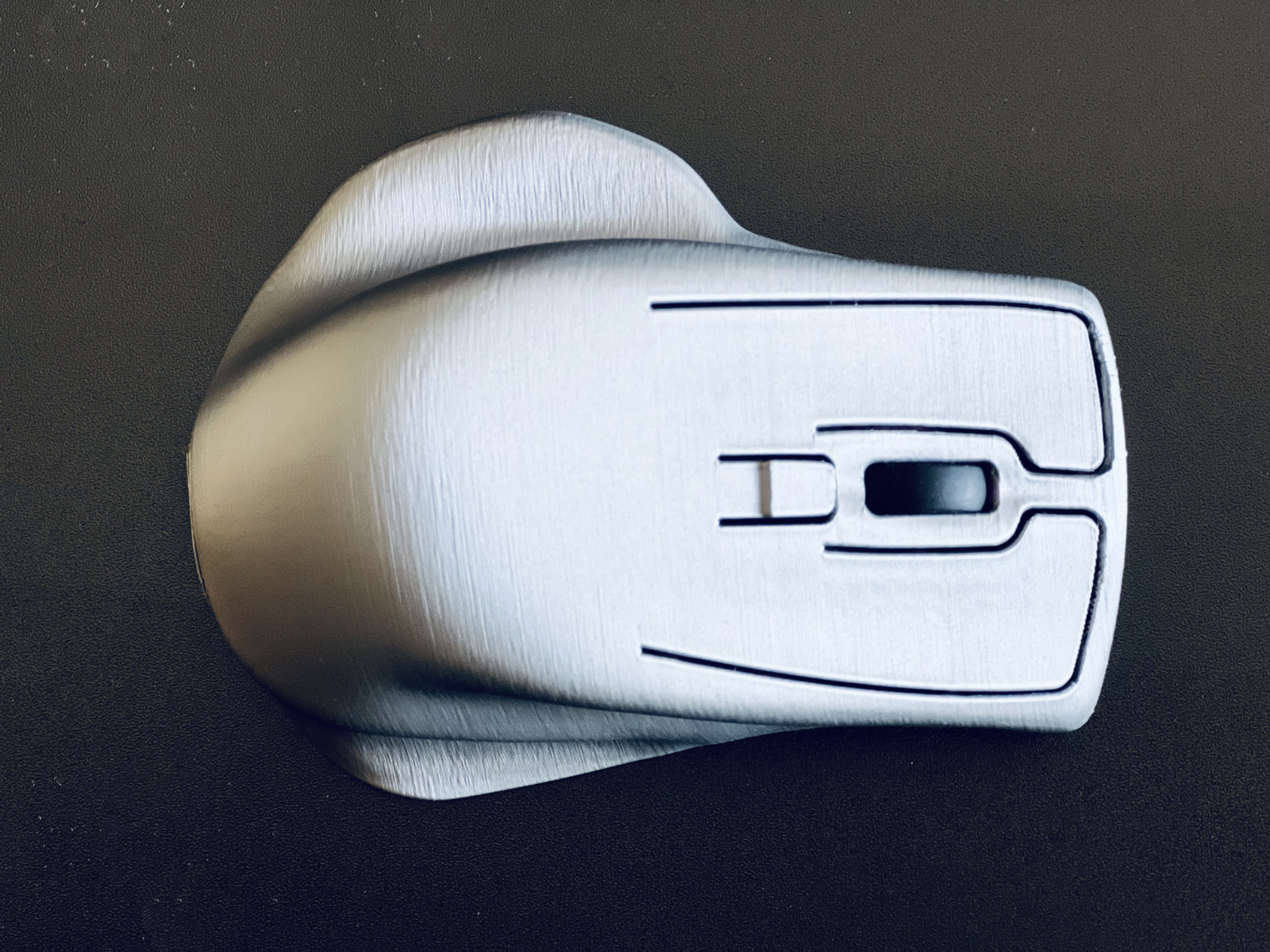
And since these things don't come out of nowhere, there is a whole development process needed to make everything go smoothly. Contrary to popular belief, it’s not enough to just know how to use a 3D modeling tool and slicing software; these are just tools in an industrial design process, which is itself part of product design. And you know what? It's something everyone should try.
Simply printing pieces that others have made is just one part of the experience, a small part, not bad, but only a fraction of the experience, if you like to print you should try create something.
So, I invite everyone to give it a try. Start by taking the first step: create a simple model using the CAD tool of your choice, or make a clay sculpture, or a model of what you want (I often start with these). What matters is to begin. You already have one thing mastered: printing. Now, just take one more step to become a creator.
Jorge Rui

Gostou deste modelo? Crie uma conta grátis para salvar seus favoritos e voltar a eles depois.
Criar conta