Description
Gossamer Albatross – Experimental Series #2
The second aircraft in my Experimental Series, exploring unconventional aircraft layouts and flight characteristics.
Inspired by the legendary Gossamer Albatross—the first human-powered aircraft to successfully cross the English Channel in 1979—this design captures the elegant appearance and efficient low-speed flight characteristics of one of aviation's most remarkable achievements.
Featuring a canard layout and long, slender wings, the aircraft is optimized for stable, efficient gliding and graceful flight.
Features
- Inspired by the historic Gossamer Albatross
- Lightweight, glue-free construction
- Designed for smooth and efficient gliding
Flight Performance
- Smooth and stable glide characteristics
- Cambered wing, dihedral, and built-in washout for enhanced efficiency and stability
- Slow, graceful flights with excellent glide performance
What Other Makers Say
- "Such a good flier!"
- "Glides beautifully."
- "Both gliders fly great and are quite sturdy."
- "With a nice breeze as a headwind it glides great."
- “Only 15 grams in ASA and flies wonderful.”
Historical Inspiration
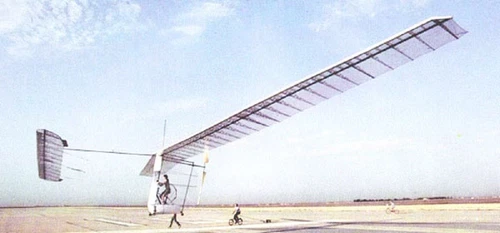
Interested in knowing more about the original aircraft:
The Gossamer Albatross became the first human-powered aircraft to cross the English Channel in 1979, completing one of aviation's most celebrated engineering achievements.
Complete Lineup
Experimental Series
- Canard Glider — Experimental Series #1
- (NEW) Gossamer Albatross Glider — Experimental Series #2
Sky Series
- Cumulus 680 — slow, smooth, relaxed glides
- Cumulus 400 Speed Wing — faster flights
- Stratus 500 — balanced and versatile
- Stratus 500 A1 mini version - Original size
Assembly guide:
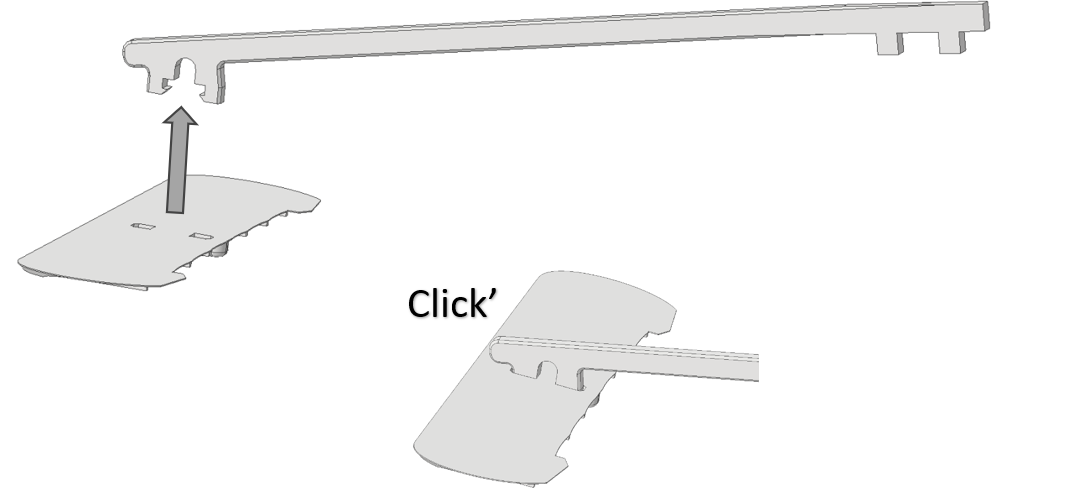
Canard: Push the canard onto the snap-lock pins on the boom until it clicks into place.
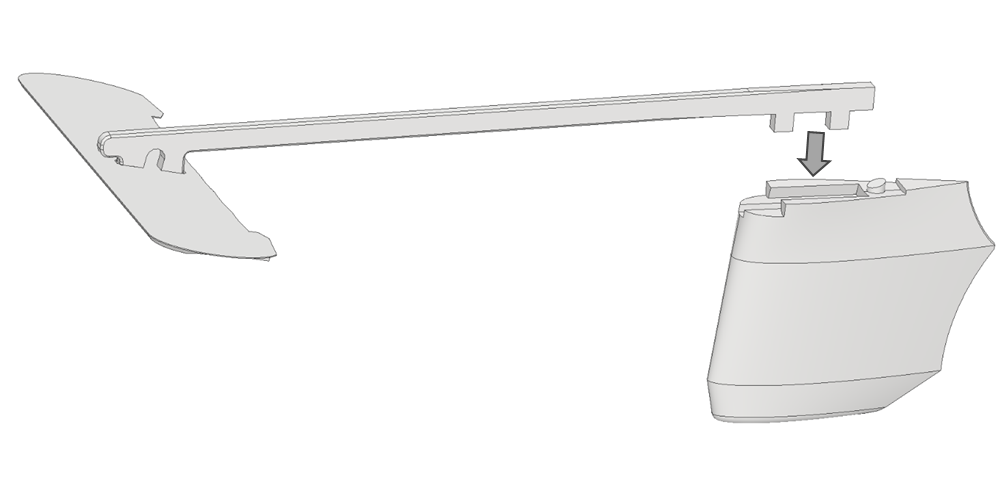
Fuselage: Push the boom pins into the slot on top of the fuselage. Ensure the boom is fully seated.
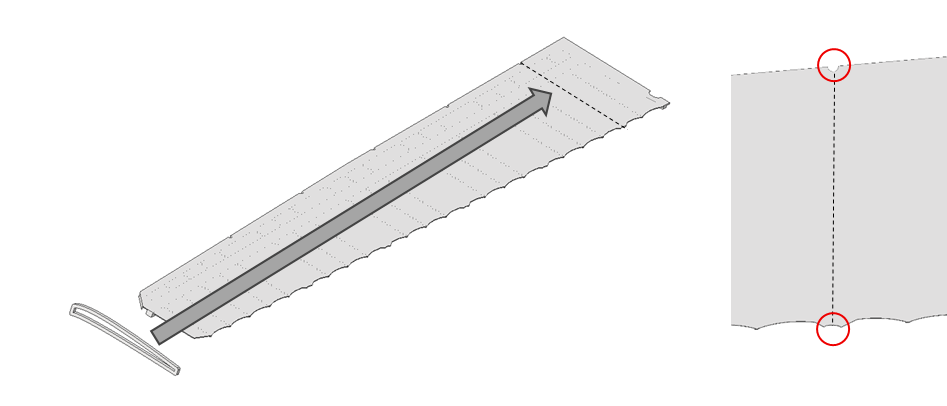
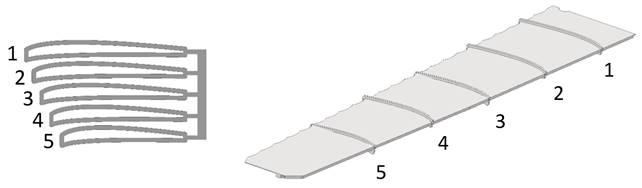
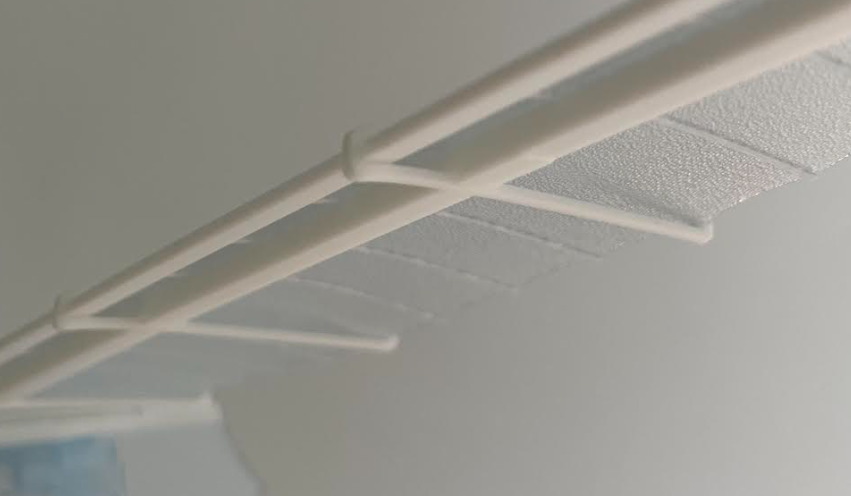
Wing camber brackets: Slide the camber brackets onto the wing.
Each wing uses five different brackets. Make sure each bracket sits fully in its corresponding groove (marked by the red circles).
Wings on Fuselage: Slide the wing root into the wedge slot on the fuselage (red circle).
Push the wing fully into the slot until the snap-lock mechanism engages. A click indicates that the wing is correctly installed.
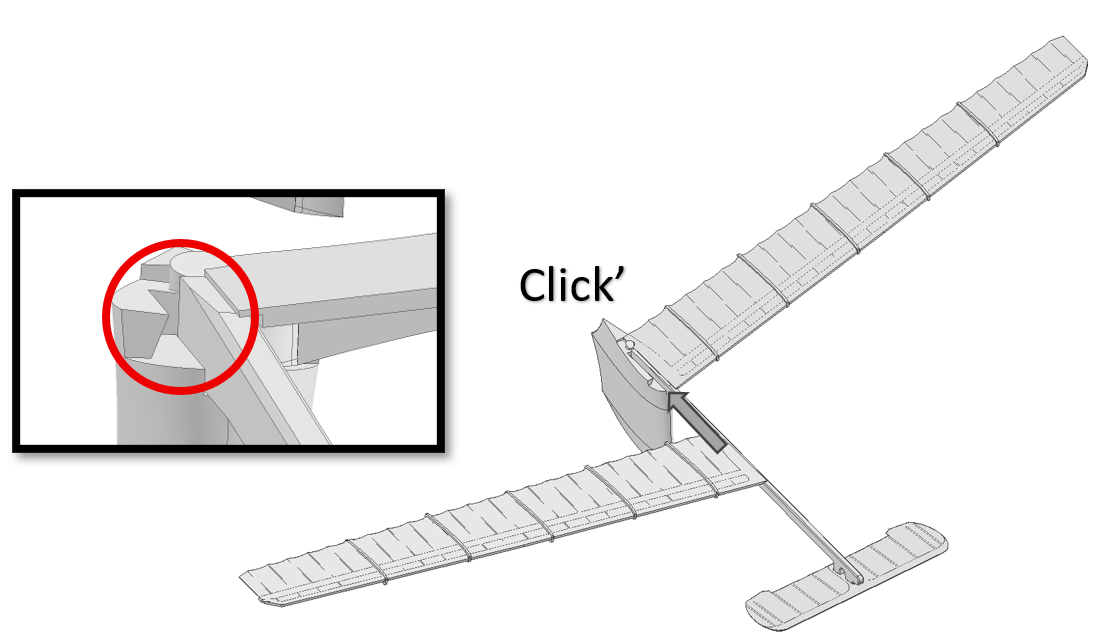
Repeat for the opposite wing.
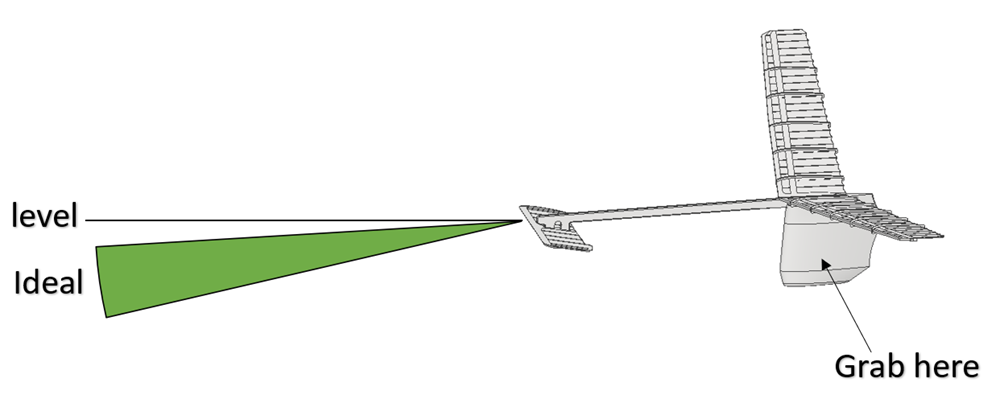
How to launch it: Give the aircraft a gentle, straight throw at a slight downward angle.
This helps build airspeed, allowing the aircraft to naturally settle into a smooth, nearly level glide. Avoid steep upward launches for best performance.
Happy flying!😊
Community Showcase
I'd love to see your builds!
Feel free to upload photos of your completed aircraft, especially if you've experimented with different filament colors or unique combinations.
From time to time, I'll select some of my favorite community builds and feature them in the model gallery, with full credit to the creator who uploaded them.
Whether it's a beautiful color scheme, a creative photo, or an impressive flight shot, I'd love to see what you come up with.
General Print setting for Non-bambulab printers:
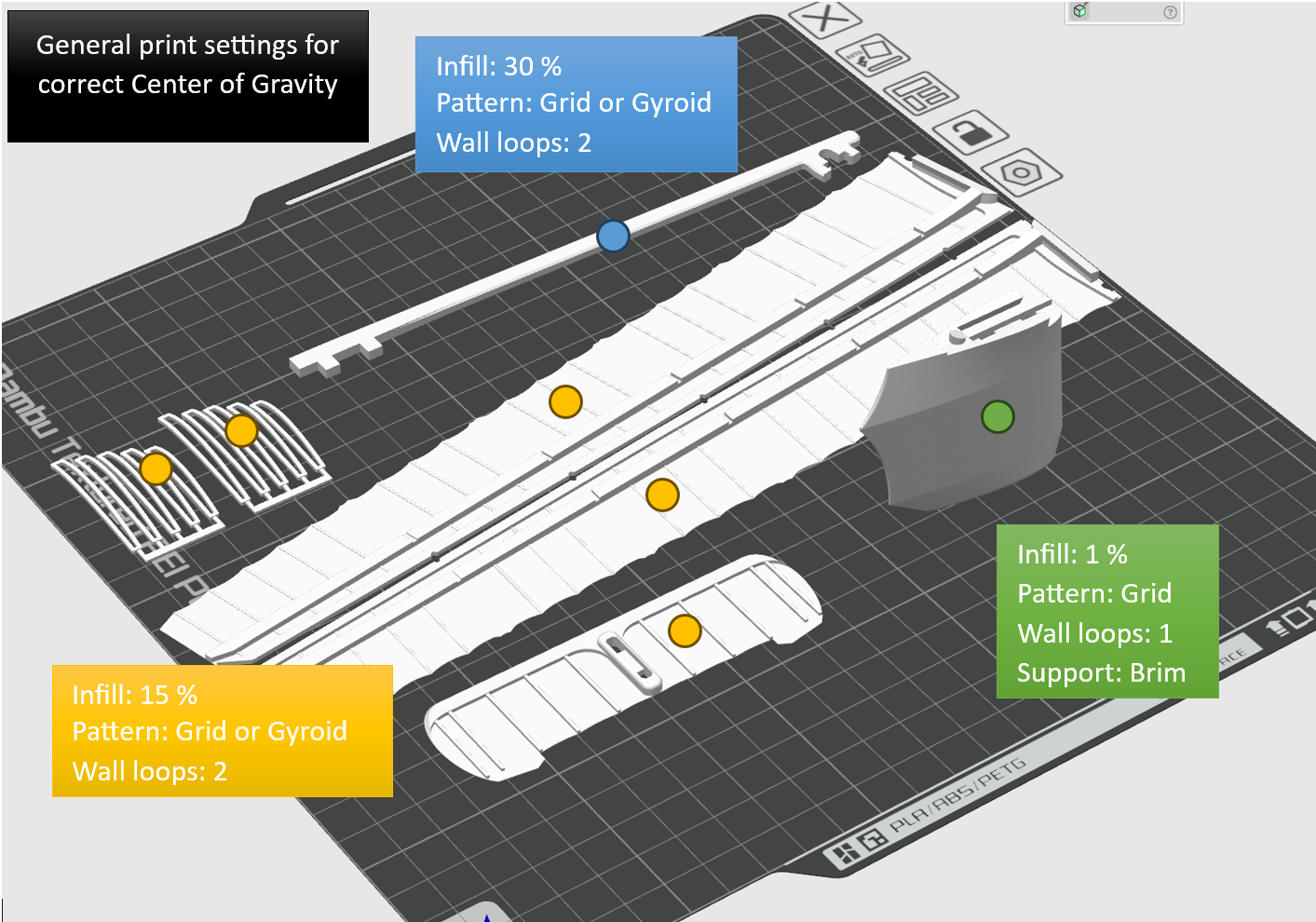
Gossamer Albatross | 500mm Ultralight Glider

Published on Jun 12, 2026