Você está no 3DFinder
Buscamos em Thingiverse, MakerWorld e Printables ao mesmo tempo para te dar o melhor de cada uma.
Descrição
I have updated the original lid design in order to minimize overhangs.
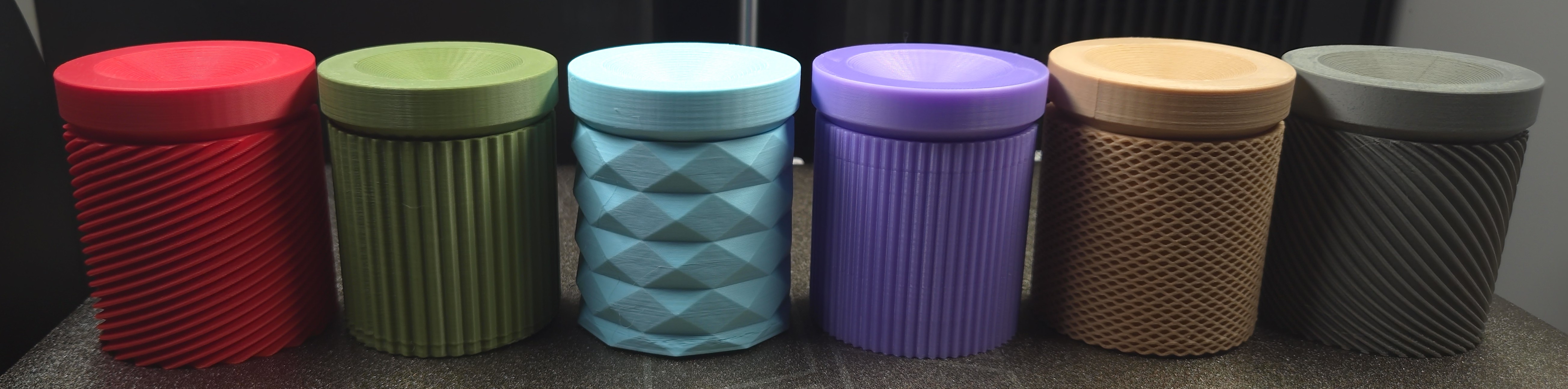
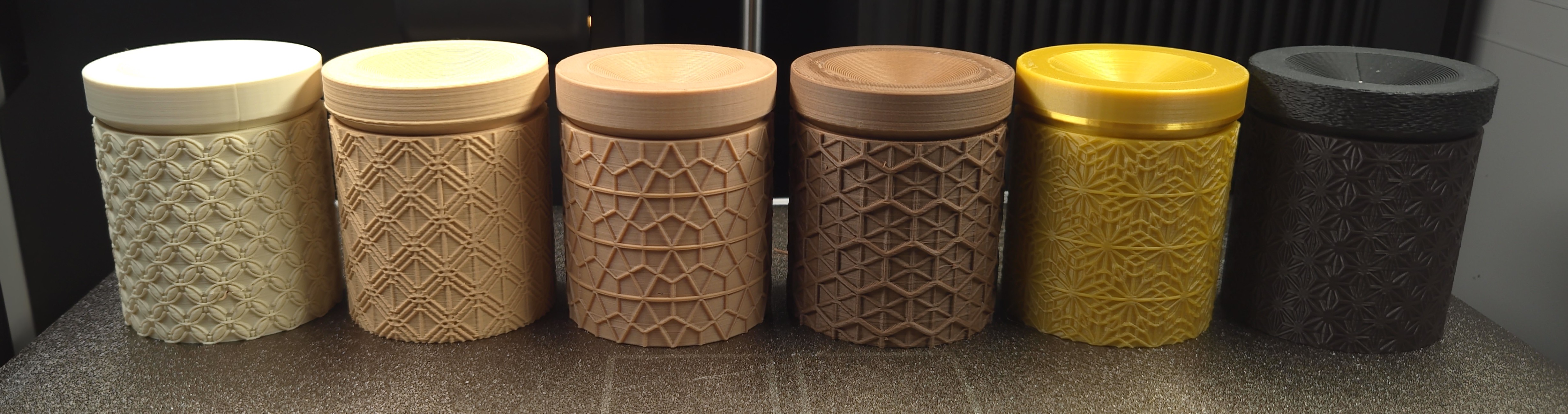
FRUIT FLY TRAP 30+ DIFFERENT DESIGNS
These fruit fly traps can be 3D printed in PLA or PETG, in a variety of colors. The 30+ unique designs let you choose the one that best matches your personal style or interior, and the lids can be mixed and matched in different colors and different versions for an even more customized look.
To use, simply pour a small amount of apple cider vinegar or a mixture of vinegar and 2 drops of dish soap into the container. The scent attracts fruit flies, which then get trapped inside.
Unlike traditional fruit fly traps that often look unattractive on a kitchen counter, these traps are designed to blend seamlessly into a modern home. With their clean lines, geometric textures, and stylish colors, they function not only as an effective solution against fruit flies but also as a decorative element that complements contemporary interiors
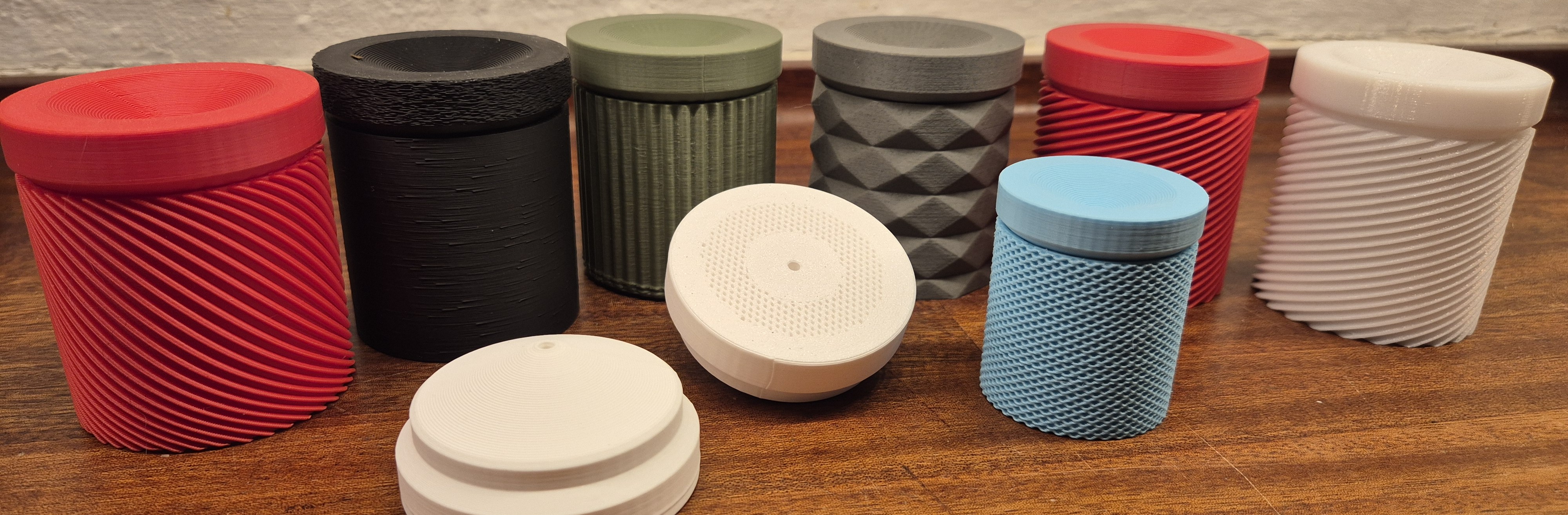
The lid has an inner brim to maximize adhesion - remember to remove this brim after printing - also inside the hole. If you choose to also add an outer brim, be careful to remove all excess rim material in order to secure a perfect fit.
I've added a print profile with an updated lid design in 7 different versions. These lids are interchangeable with the original lids.
The hole in the lid is made with negative parts, so you can scale them as you wish. Note that because they are made with negative parts, they do not appear in the 3D preview in the browser or in the Bambu Handy app.
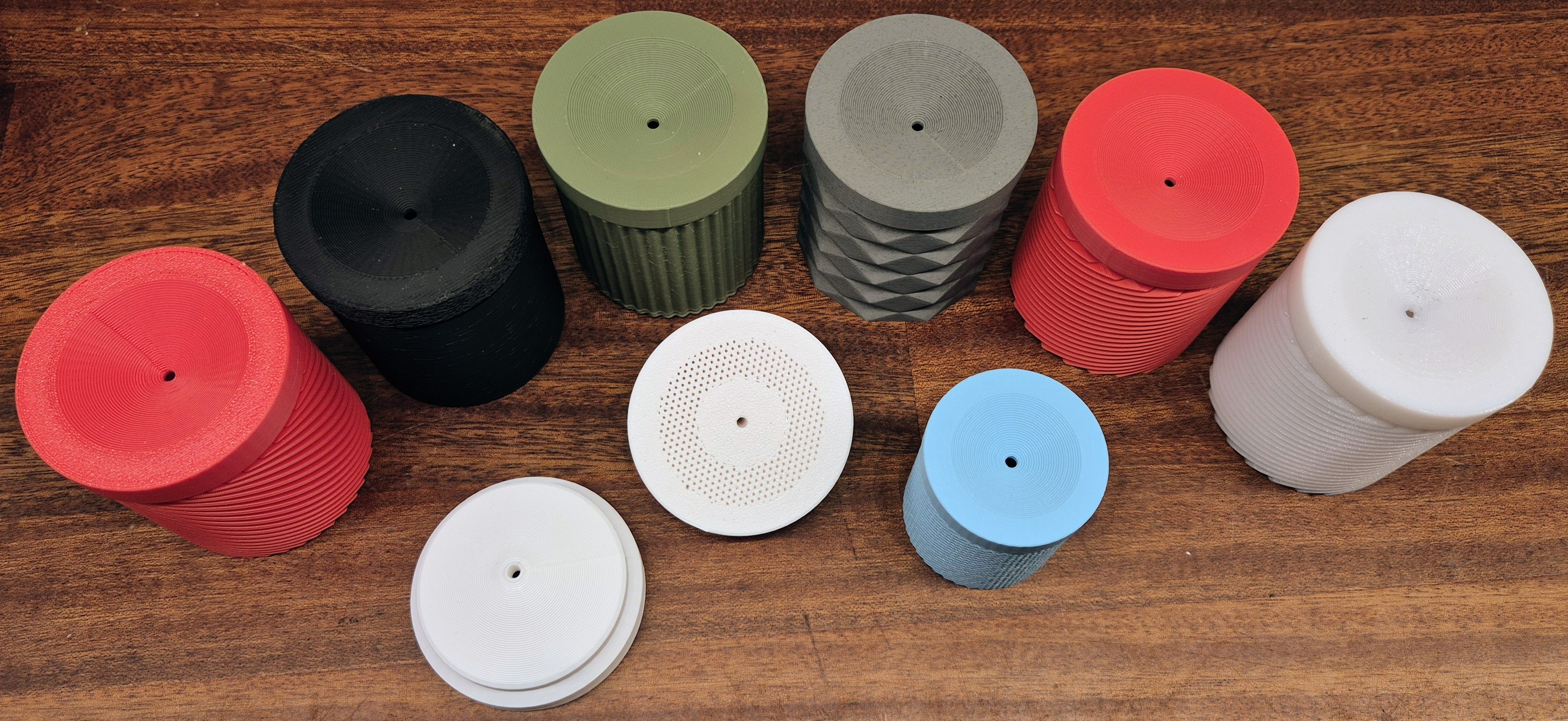
Be very careful not to move or delete the negative parts, otherwise the holes will be missing.
For the best results, I recommend using my print profiles (labeled Designer). Since I can’t guarantee the quality of profiles uploaded by others, I kindly ask that you don’t judge the whole model based on prints made with those. If you do run into any issues with the “Designer” profiles, I’ll be very happy to hear your feedback so I can keep improving.
This model has been fine tuned to hold liquid for long period.
However printing functional objects such as this fruit fly trap, achieving a completely watertight result is often down to you having your printer correctly calibrated. Even a small gap, under-extrusion, or inconsistency in the print can cause leaks, rendering the trap ineffective. This is why precise calibration of your 3D printer is not just a recommendation—it is a requirement.
Key parameters such as flow rate etc. must be carefully tuned to ensure that each layer bonds correctly and that no micro-gaps remain between the perimeters.
In addition, bed leveling and nozzle height need to be accurate to guarantee strong adhesion and consistent first-layer extrusion. Any misalignment in these factors can lead to weaknesses that allow liquid to escape.
It may also be important to test and fine-tune temperature settings, print speed, and cooling, since they directly influence layer adhesion and extrusion consistency depending on which filament you use. A slightly higher nozzle temperature, for example, can help improve fusion between layers, which is essential for watertight prints.
By taking the time to calibrate your printer thoroughly before starting the job, you not only improve the overall print quality but also ensure the functionality of the final product. In the case of a fruit fly trap, this means reliable containment of liquid bait without leaks, guaranteeing the trap works as intended.
If your 3D-printed trap still isn’t fully waterproof despite following all the advices above, you can try one of these two coatings:
Spray or brush clear sealant / varnish / lacquer — apply multiple thin, even coats to fill surface pores and smooth the print. Let each layer fully dry before the next.
Internal resin / epoxy coating — use a two-part epoxy resin inside the container to seal seams and micro-gaps. Once mixed and applied, allow full curing; this creates a strong, smooth, waterproof barrier.
You can also place a plastic shot glass in the bottom of the trap and pour the bait into it.
Also Check out my other fruit fly trap models:
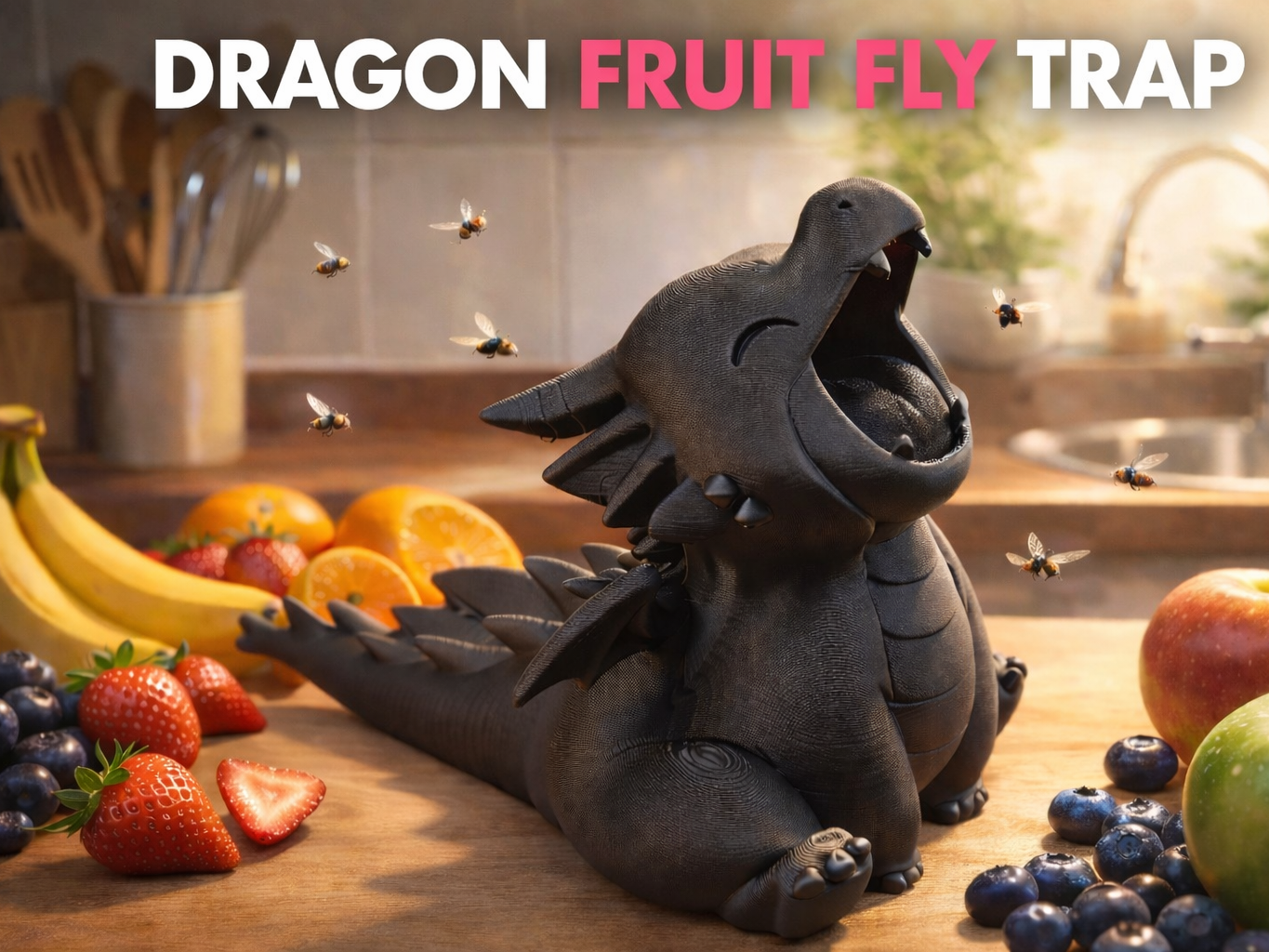
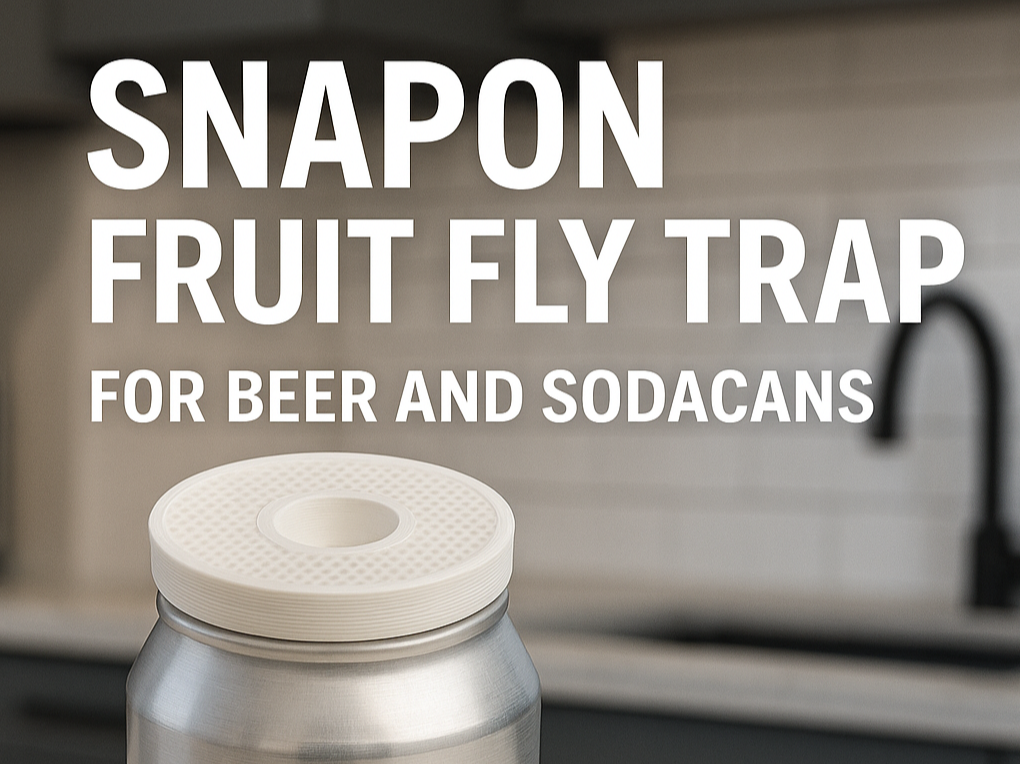
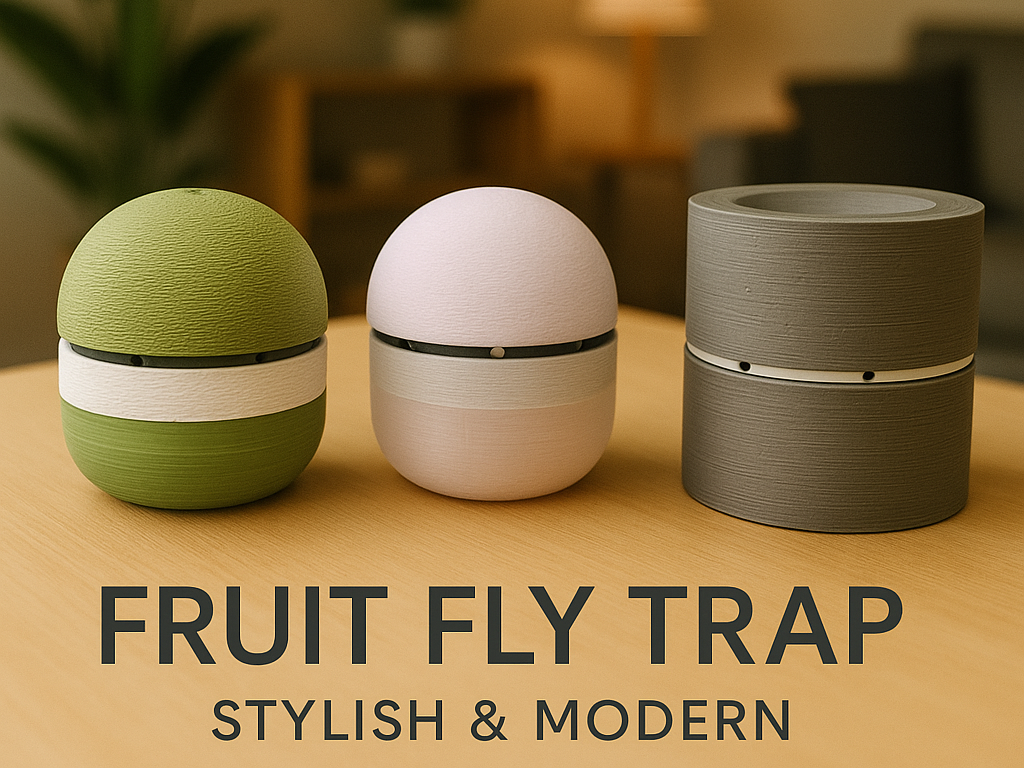
Fruit fly trap 30+ different designs
Publicado em 28 de ago de 2025